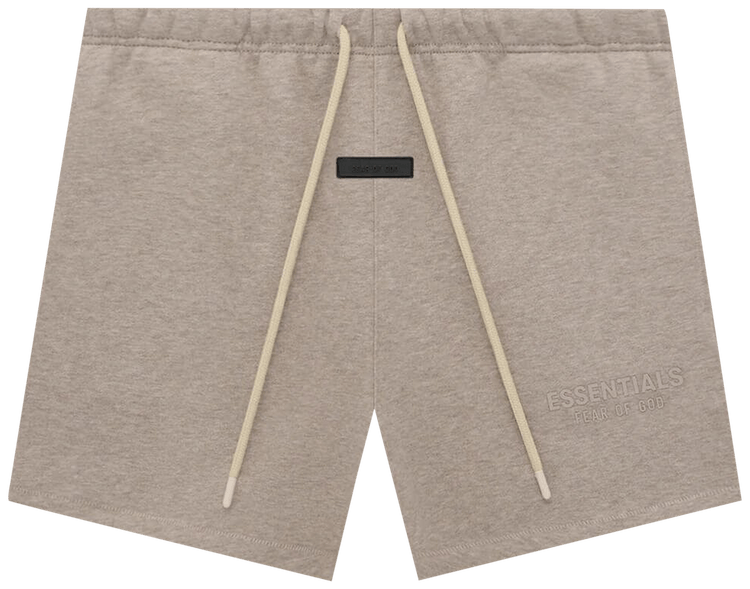
Washing a Heavy Fleece Without Killing the Nap
A hoodie can look second-hand after four washes with nothing whatsoever wrong with the fabric. Most of that damage happens at home, usually by somebody being helpful with the detergent. Brushed fleece has a raised surface — the nap, if you want the proper word — and that surface flattens long before a seam or a cuff gives you any trouble at all. Scroll the heavy fleece on Essential Hoodie and 480 GSM keeps turning up in the listings, which is a lot of fibre to wreck in forty minutes.
The nap, and why it matters more than the colour
Fleece starts out as a knit with loops on its inside face, and a machine fitted with wire brushes then tears those loops open and lifts the fibre ends. What you get is soft fuzz, standing more or less upright. That fuzz does the work. Warmth isn’t really coming from the thickness of the cloth — it comes from air caught among all those raised fibres, which your body heats and the fabric hangs onto.
So flatten it and the garment hasn’t lost a gram. Still scales at 480. But it stopped holding air, so it reads thinner across your back and goes shiny where a strap crosses the shoulder. Nobody ruins a hoodie on purpose, mind you. It happens because a washing machine’s default settings were written with towels in mind.
Heat. That is more or less the whole problem
Hot water swells cotton fibres and lets them shift about against one another, and once they’re shifting they tangle at the tips and mat together — felting, basically, the thing that turns a forgotten wool sweater into something a toddler could wear. You notice it as shrinkage across the chest, plus a pile gone slightly crisp under your hand.
Cold water then. Thirty degrees at the outside, and a Canadian February does you a favour here, because water coming into a Winnipeg basement in winter sits close to freezing, so your cold cycle is genuinely cold rather than the tepid thing it is in July. Warm water buys you nothing on sweat or skin oils anyway.
A cycle that leaves the pile alone
Gentle, short, and don’t cram the drum. Pack it to the lid and the garments spend the whole wash scrubbing on each other rather than floating, and that abrasion is where the pills on your forearms come from. Two heavy pieces at a time, and the rest can wait.
Inside out before it goes in, so the brushed face only ever rubs against itself. Zip it up as well, and tie the drawcord, since a loose metal tooth dragging across fleece for half an hour does real damage. Liquid detergent rather than powder, too — powder tends not to dissolve properly in cold water, and the grit ends up in the nap, where it feels like sand once everything dries.
And give the fabric softener a miss. It softens by coating fibres in a waxy film, which is precisely what you don’t want on a raised pile; the fleece comes out slick instead of soft. Half a cup of white vinegar in the rinse drawer does what softener pretends to, and rinses clean.
Spilled something on it? Work at that spot by hand rather than turning the dial up for the whole garment — detergent rubbed in with your fingers, cold rinse, done. Take a brush to it, and you’ll lift the nap in a patch you can spot across a room.
Drying is where most fleece actually dies
A dryer on its normal heat setting is the worst thing in the house for heavy fleece. Ninety minutes of hot tumbling shrinks the cotton, glazes whatever polyester is in the blend and hammers the lifted fibres flat, and you feel all of that after one cycle. Skip the dryer. Seriously.
Lay it flat on a rack instead, and push the shoulders and cuffs back into shape while everything is still wet. Hangers are worse than people expect, because wet 480 GSM fleece is heavy — most of a litre of water, straight out of a spin cycle — and all that weight hangs off two narrow points. Dimpled shoulders, and a body grown a couple of centimetres by spring.
What if there’s nowhere to hang it in January?
Small apartment, damp air, a balcony nobody uses in winter. A rack near a heat vent is fine as long as the fleece isn’t on metal, and a sharp snap every few hours stops the pile drying matted. Half an hour on air-fluff with no heat, a dry towel in the drum beside it, pulls the worst of the water out first. Air-fluff is only a fan, after all. It’s heat that kills a nap, not motion.
Pills, lint and the things that rub
Pills aren’t a sign of cheap fabric, whatever anyone tells you. They’re little balls of broken fibre that friction rolled up and the knit won’t let go of, and a brushed surface gives them up sooner than a smooth one because more loose fibre stands proud of the weave. So what goes into the load alongside your hoodie matters about as much as the cycle.
- Denim is the worst of it, rivets and a stiff hem acting like sandpaper.
- Towels shed lint by the handful and a raised pile grabs all of it, which is why a dark hoodie leaves a mixed load looking dusty.
- Anything with a hook, buckle or exposed zip can wait for its own load.
Matching bottoms are safe company, though, being cut from the same fleece. Run the Essentials Pants through on the same cold cycle, inside out, and watch the drawcord — once a spin has pulled it into the waistband you’re fishing about with a safety pin.
Pills that are already there
A battery fabric shaver clears them in a few minutes and costs less than a takeaway dinner. Work over something flat, one direction, and stop before you get enthusiastic — the blade that lifts a pill will happily take off nap you wanted.
Key Takeaways
|
None of it takes longer than what you do now, once you stop reaching for the warm setting out of habit. A hoodie washed this way still looks like its own photo three winters later, which is roughly the difference between a piece you keep wearing and one you replace. Worth a scroll through the fleece before the cold lands.