Diesel Engine Maintenance: A Practical Guide To Reliability, Emissions, And Repair Decisions
Key Takeaways
- Routine inspections can identify small problems before they become expensive failures.
- Oil, fuel, cooling, air, exhaust, and electrical systems all affect diesel reliability.
- Fault codes should guide testing, not trigger automatic parts replacement.
- Accurate service records make recurring issues easier to identify and manage.
- Repair, rebuild, and replacement decisions should account for condition, cost, downtime, and future use.
Diesel maintenance is no longer limited to changing oil and replacing filters. Whether an owner maintains a pickup, work truck, motorhome, generator, or a Cummins ISC engine in a medium-duty application, dependable service starts with understanding how the engine is used and what its systems are telling you.
Modern diesel engines combine durable mechanical components with electronic controls, sensors, turbocharging, high-pressure fuel systems, and exhaust aftertreatment equipment. A complete maintenance plan addresses all those areas rather than reacting only when a warning light appears or performance declines.
Why Diesel Maintenance Requires A Broader View In 2026
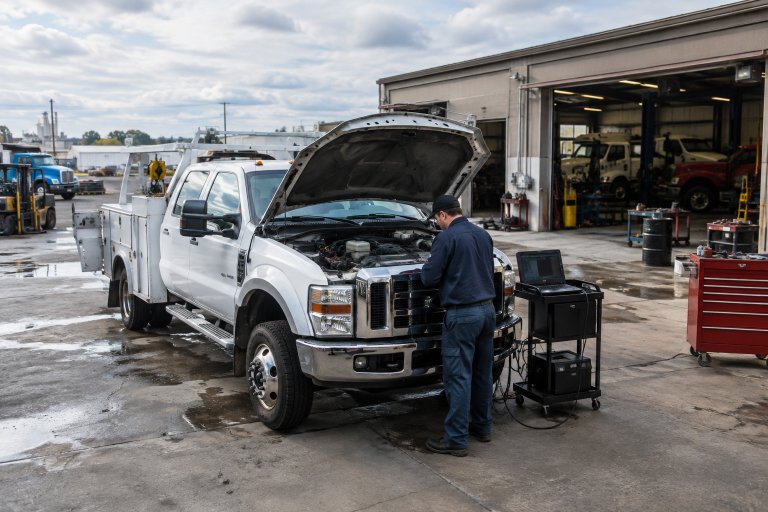
Current diesel service often requires both hands-on mechanical inspection and electronic diagnosis. Engine control modules monitor operating conditions, while sensors report temperatures, pressures, airflow, and exhaust-system performance. As modern diesel maintenance increasingly relies on software, diagnostics, and data, technicians and owners benefit from treating the engine as an interconnected system.
That does not make basic maintenance less important. Clean oil, adequate coolant, sound hoses, proper fuel filtration, and an unrestricted intake still form the foundation of engine life. The difference is that a small problem in one system can now trigger an electronic warning, reduced power, or a fault in a related system.
Start With The Engine’s Workload
Two engines with the same mileage can need very different maintenance. A delivery vehicle making short, stop-and-go trips may accumulate more idle time and heat cycles than a truck operating for long highway distances. Equipment used for towing, hauling, or dusty job sites also places different demands on filters, cooling capacity, and turbocharged air systems.
- Short trips and frequent stops
- Long-distance highway operation
- Heavy towing or hauling
- Extended idling
- Seasonal or low-hour use
- Wet, dusty, cold, or high-load operating environments
Use the manufacturer’s maintenance schedule as the baseline, then adjust inspection frequency when operating conditions are severe. Time-based service also matters for equipment that accumulates few miles but sits for long periods.
The Core Maintenance Systems To Watch
- Lubrication: Check oil level, condition, leaks, and the correct oil specification. A sudden change in oil consumption or pressure needs investigation.
- Fuel: Replace filters as scheduled, drain water separators when required, and address contaminated fuel promptly. Water and debris can damage fuel-system components.
- Cooling: Inspect coolant level, hoses, clamps, radiator condition, and signs of leaks or overheating. Do not remove a pressurized coolant cap from a hot engine.
- Air and charge air: Check the air filter, intake piping, charge-air cooler, and clamps for restrictions, cracks, loose connections, or oil residue.
- Exhaust: Look for exhaust leaks, damaged pipes, unusual smoke, and conditions that could affect aftertreatment operation.
- Electrical: Test batteries and charging output, and inspect grounds, wiring, connectors, and sensor connections for corrosion or damage.
A Simple Preventive Maintenance Checklist
A short walk-around inspection can prevent avoidable downtime. Before operation or during scheduled service, check the following:
- Engine oil and coolant levels
- Fresh oil, coolant, fuel, or exhaust leaks
- Belts, hoses, clamps, and visible wiring
- Air-filter condition and the full intake path
- Fuel-water separator service requirements
- Warning lights, messages, and stored fault codes
- New hissing, knocking, rattling, vibration, or belt noise
- Service dates, engine hours, mileage, repairs, and fluid additions
Warning Signs That Need Prompt Attention
Hard starting, extended cranking, loss of power under load, high coolant temperature, unusual oil use, persistent warning lights, or repeated regeneration requests deserve prompt testing. Blue, white, or heavy black smoke can have multiple causes, including fuel, air, turbocharger, injector, cooling, or internal engine concerns. The symptom is useful evidence, but it is not a complete diagnosis.
How To Approach Electronic Diagnostics
A fault code identifies a system or operating condition that needs attention. It does not necessarily identify the failed part. A disciplined diagnostic process helps avoid unnecessary parts replacement.
- Record the exact code, engine hours, mileage, and conditions when it occurred.
- Inspect connectors, grounds, wiring, hoses, and related components.
- Review live data and compare readings with the manufacturer’s specifications.
- Test related components before authorizing replacement.
- Clear codes only after the underlying issue has been corrected.
- Perform a road test or loaded operational test to confirm the repair.
Emissions Equipment And Daily Reliability
Diesel particulate filters, selective catalytic reduction systems, sensors, dosing components, and regeneration cycles can affect daily operation. These systems should be diagnosed and repaired correctly, not bypassed or disabled. Owners of commercial equipment can review how commercial truck and bus emissions regulations relate to regulated vehicle systems and standards.
When A Repair May Be Enough
A targeted repair may be the sensible choice when testing identifies an isolated issue, such as a leaking hose, a worn belt, a restricted filter, a damaged sensor, a loose charge-air clamp, a failing seal, or a specific fuel-supply problem. Continued repair is generally easier to justify when compression, oil pressure, and cooling performance are stable, and the engine has a solid service history.
When To Consider A Rebuild Or Replacement
Internal engine work may be necessary when there is low compression, severe blow-by, persistent oil consumption, repeated overheating, major cylinder damage, or concerns with the block and crankshaft. Compare total cost, expected downtime, part availability, condition of supporting components, remaining equipment value, future operating hours, and warranty coverage before deciding.
How To Compare A Repair Estimate
- Request a written diagnosis and scope of work.
- Separate parts, labor, machining, testing, removal, and installation costs.
- Confirm whether components are new, used, rebuilt, or remanufactured.
- Ask which related parts should be inspected while access is available.
- Read warranty terms, exclusions, and labor coverage carefully.
- Compare downtime and long-term value, not just the lowest quote.
Conclusion
Reliable diesel operation depends on consistent inspection, accurate testing, and clear records. By matching service to the engine’s workload, responding early to warning signs, and making repair decisions based on evidence, owners can reduce downtime and make more confident long-term maintenance choices.