How to Choose the Right Fence for Your Home
A fence can define a property, create a more comfortable outdoor space, and help manage how a yard is used every day. Before comparing styles, homeowners should identify the problem they want to solve. Working with an experienced local installer, such as https://furlongfence.com/, can also help turn broad goals into a practical plan for the property.
The right choice is rarely about choosing the most expensive material or the tallest design. It is about matching the fence to privacy needs, pets, children, maintenance expectations, the layout of the yard, and applicable local requirements.
Start With The Fence’s Main Purpose
Fences can perform several jobs, including marking boundaries, enclosing pets, improving privacy, protecting a pool area, or adding visual structure to landscaping. Because fences can serve boundary, privacy, containment, and decorative purposes, homeowners should rank their top two or three priorities before selecting a material.
A solid backyard fence may suit a home near a busy street, while an open aluminum or picket design may make more sense where visibility and curb appeal matter. For pet containment, consider the animal’s size, strength, jumping ability, and digging habits. For a boundary fence, accurate placement may be more important than maximum height.
Compare Common Fence Materials
Wood Fencing
Wood remains a flexible option because it can be built in privacy, picket, rail, and custom designs. It offers a natural appearance and allows individual boards to be replaced when needed. However, wood needs periodic inspection and may require cleaning, staining, sealing, or board replacement as it weathers.
Vinyl Fencing
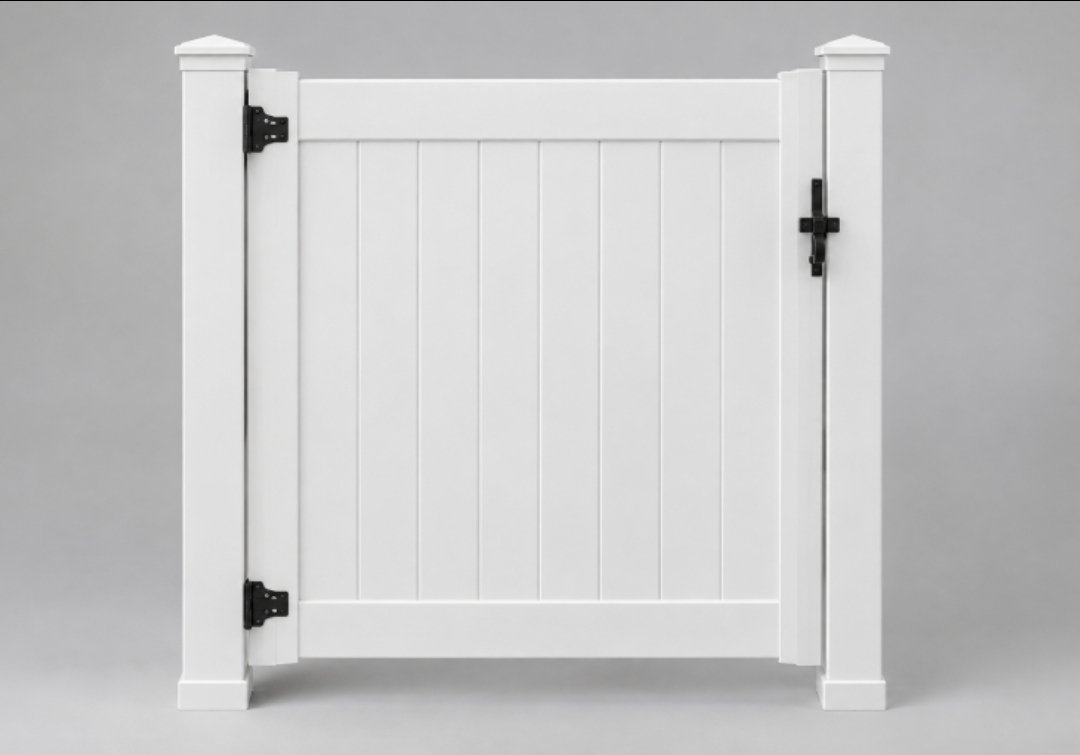
Vinyl can work well for homeowners who want solid privacy panels with relatively limited routine upkeep. It does not require regular staining or painting, but homeowners should ask whether matching replacement panels and parts are likely to remain available if future repairs are needed.
Aluminum Fencing
Aluminum fencing provides an open, defined boundary without blocking much of the view. It is often considered for front yards, gardens, patios, and pool surroundings where an open style is appropriate. Its open construction does not provide the privacy of a solid-panel fence.
Chain Link And Specialty Options
Chain link is a practical choice for large yards, pet runs, utility areas, and spaces where supervision or visibility matters. Coated versions, privacy slats, and landscaping can alter its look. Composite, steel, wire, and other specialty products may also fit certain projects, but availability, repair methods, and local approval should be considered before purchase.
Balance Privacy And Visibility
More privacy is not always better in every location. Solid panels can shield a patio or side yard from nearby views, but they can also make a compact yard feel more enclosed. They may also change airflow and create a larger surface exposed to wind.
Consider using different styles in different areas. A solid fence may be useful along a neighboring property or roadway, while a lower or more open design can keep a front yard, garden, or scenic view feeling connected to its surroundings. Mature landscaping can also provide partial screening where a full privacy fence is unnecessary.
Plan For Pets, Children, And Pool Areas
Safety depends on details as much as the fence material. Review the space beneath the fence, openings between pickets or rails, gate placement, latch operation, and whether a child or pet could climb, squeeze through, dig under, or push through a weak point.
Pool fencing deserves additional care. The CDC advises that home pools have a four-sided fence at least four feet high, fully enclosing the pool and separating it from the house, with a self-closing, self-latching gate. Review pool barrier safety guidance alongside local building requirements, since local rules can be more specific.
Look Beyond The Upfront Price
A useful fence budget includes more than material and installation. Compare the likely costs of cleaning, staining, sealing, hardware replacement, storm repairs, old-fence removal, and eventual replacement. A less expensive option may require more hands-on care, while a higher initial price may reduce routine maintenance.
- Materials: Height, thickness, finish, color, and style can affect pricing.
- Labor: Slopes, rocky ground, restricted access, and removal work can add complexity.
- Repairs: Ask whether individual boards, panels, rails, or posts can be replaced.
- Gates: Wide or frequently used gates often need stronger framing and hardware.
Review The Yard And Local Rules
Every yard has conditions that can affect the final design. Slopes, drainage paths, tree roots, soil conditions, standing water, and wind exposure can influence placement and installation methods. A fence should follow the property in a way that does not interfere with drainage or create difficult-to-maintain gaps.
Before construction, confirm the property line with reliable records or a survey, contact the local utility-locating service before digging, and check municipal, county, HOA, or historic-district rules. Also identify easements, access points, gate locations, and any restrictions on height, materials, or placement.
Pay Attention To Posts, Gates, And Drainage
Posts support the fence, resist wind loads, and carry the weight of gates. Their placement, depth, alignment, and installation method should suit the fence design and site conditions. Gates should swing in a useful direction, clear the ground, latch securely, and provide enough width for people, pets, bins, or yard equipment.
Ask how the installation will handle corners, slopes, low spots, drainage, and transitions between fence styles. These details often determine whether a fence remains functional and attractive after years of daily use.
Use A Simple Fence Selection Checklist
- Define the fence’s main purpose.
- Choose the privacy and visibility level needed.
- Consider pets, children, pool access, and gate security.
- Set both an installation budget and a maintenance budget.
- Compare suitable materials based on the property and routine care required.
- Confirm property lines, utilities, easements, and local rules.
- Plan gates, corners, slopes, and drainage before finalizing the layout.
- Request a written estimate that clearly lists materials, labor, removal, and cleanup.
Conclusion
The best fence is one that works with the home, the yard, and the way the household lives outdoors. By weighing purpose, materials, privacy, safety, maintenance, site conditions, and installation details, homeowners can choose a fence that delivers lasting value rather than simply filling a boundary line.
