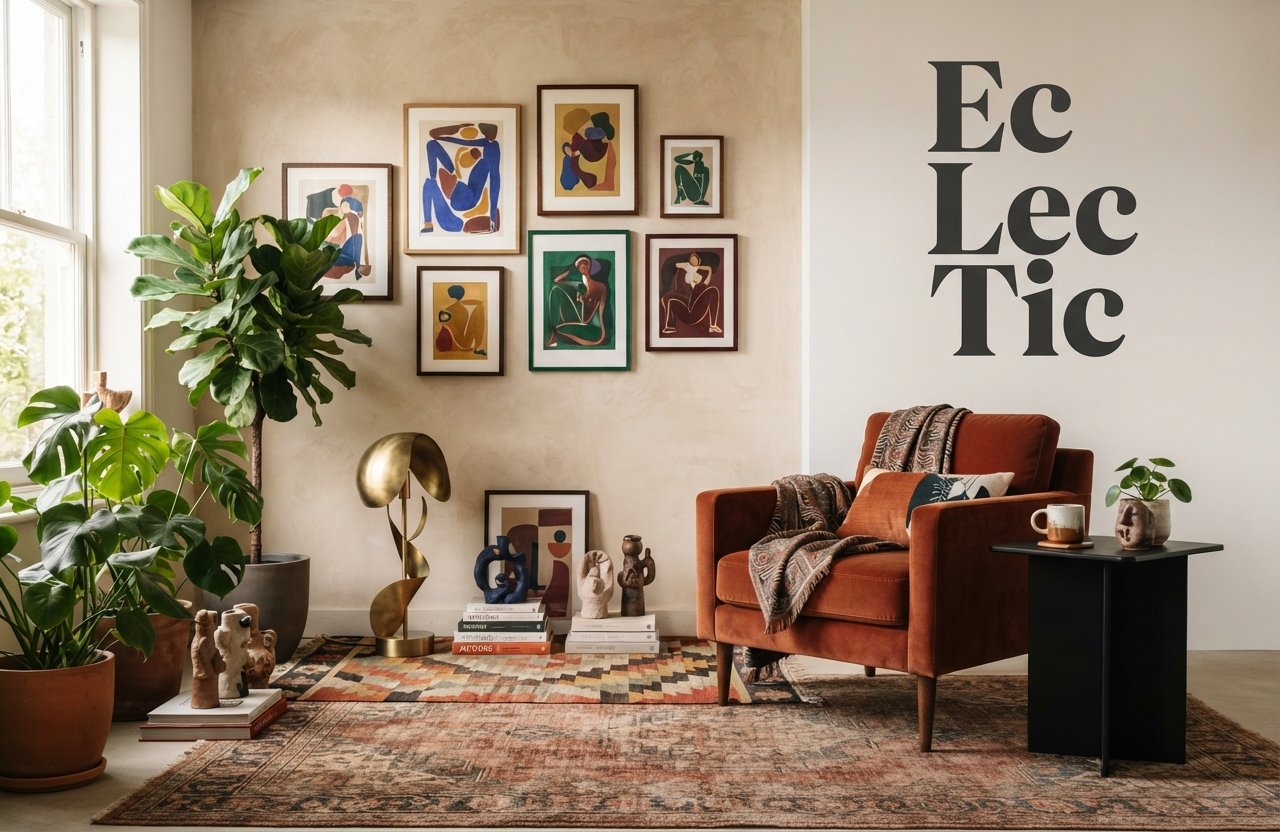
Ec Lec Tic: Meaning, Style, Origins, and How to Understand Its Unique Appeal
The term Ec Lec Tic presents an interesting concept that invites curiosity about individuality, creativity, and the combination of different influences. Whether encountered in discussions about design, fashion, art, culture, or personal expression, understanding Ec Lec Tic requires looking beyond a single definition. It can be explored through the broader idea of eclecticism, where different styles, ideas, traditions, and influences come together to create something distinctive. This approach values originality over strict rules and encourages people to recognize the beauty of combining elements that might otherwise seem unrelated.
What Is Ec Lec Tic? Understanding Its Meaning
Ec Lec Tic is best understood as a syllable-separated presentation of the English word eclectic. The standard spelling is one complete word, not three independent words. It describes something that brings together selected ideas, styles, influences, or elements from different sources.
For example, consider someone who enjoys classical music, modern architecture, traditional clothing, contemporary art, and historical literature. Their interests do not belong to one particular category. Instead, they reflect a broad range of preferences.
The same idea can be applied to creative work. An artist might combine traditional painting techniques with modern digital tools. A fashion designer might mix vintage clothing with contemporary materials. A homeowner might decorate a room using furniture from different periods.
In each situation, the central principle is thoughtful selection.
The Basic Meaning in Simple English
The easiest way to understand the concept is to think about choosing the best elements from different places.
It can describe:
- A person with varied interests and preferences.
- A home that combines different decorating traditions.
- An artist influenced by multiple creative movements.
- A music collection containing several unrelated genres.
- A business that uses different approaches to solve problems.
- A collection of books, objects, or ideas from different backgrounds.
An important distinction is that having many different things does not automatically make something eclectic. The elements should have a meaningful relationship or reflect a deliberate selection process.
For example, placing random furniture in a room does not necessarily create an interesting design. Combining a vintage wooden table, modern lighting, and traditional artwork can create a distinctive atmosphere when their colors, proportions, and materials work together.
This difference between random variety and thoughtful combination is essential to understanding the term.
The Origin and History of Ec Lec Tic
Understanding the historical background makes the meaning more interesting.
The word eclectic has roots in Ancient Greek. It is connected to the Greek word eklektikos, which relates to selecting or choosing. The underlying idea is straightforward: instead of accepting one complete system, a person can examine different sources and select the elements they consider valuable.
The word entered English during the late seventeenth century, initially appearing in philosophical discussions. It was used to describe thinkers who selected ideas from different philosophical traditions rather than following one school exclusively.
Over time, its meaning expanded.
It became useful in conversations about art, literature, architecture, fashion, music, and general personal preferences. Today, people commonly use it to describe anything that combines influences from multiple sources.
Early Philosophical Connections
Philosophy provides one of the clearest historical examples of eclectic thinking.
Throughout history, philosophers have examined different explanations of knowledge, morality, human nature, and the universe. Some thinkers developed their ideas by studying several existing traditions rather than committing themselves entirely to one philosophical school.
This approach allowed them to compare arguments, identify useful principles, and construct their own interpretations.
However, selecting ideas from different philosophies requires careful judgment.
Two philosophical positions may contradict each other. A person cannot always combine them without examining their assumptions and limitations.
This is why genuine eclectic thinking involves evaluation rather than simply collecting opinions.
How the Meaning Developed Over Time
As language and culture evolved, the term became less restricted to philosophy.
Its applications gradually included:
- Philosophy: Selecting ideas from different schools of thought.
- Art: Combining influences from multiple artistic traditions.
- Architecture: Drawing inspiration from different historical styles.
- Literature: Exploring different genres, themes, and writing approaches.
- Fashion: Combining clothing, patterns, and influences from different periods.
- Everyday language: Describing people or collections with varied tastes.
Today, the word can describe almost any situation where different influences are brought together through deliberate selection.
Ec Lec Tic and the Difference Between Eclecticism and Random Mixing
One of the most common misunderstandings is treating eclecticism as another word for randomness.
They are not the same.
Random mixing happens when different elements are combined without a clear reason or consideration of their relationship. Eclecticism involves selecting elements because they offer something valuable.
Imagine two living rooms.
The first contains furniture in several colors, unrelated decorative objects, conflicting patterns, and different materials without any consideration of balance.
The second contains a traditional wooden table, contemporary seating, vintage artwork, and modern lighting. Although the objects come from different design traditions, they share complementary colors and suitable proportions.
The second room demonstrates a more thoughtful eclectic approach.
The Importance of Selection
Selection is the foundation of an effective combination.
Before introducing something new, consider:
- Does it serve a purpose?
- Does it add something valuable?
- Does it complement the existing elements?
- Is there a connection between its appearance and the overall concept?
- Does it improve the final result?
These questions are useful in design, personal decision-making, creative projects, and professional work.
Why Balance Matters
Different elements can coexist without looking identical.
However, they need some form of balance.
Balance might come from:
- Similar colors.
- Repeated shapes.
- Related materials.
- Shared themes.
- Consistent proportions.
- A recognizable central idea.
For example, a room might contain traditional furniture and contemporary artwork. Repeating a particular color in both elements can help connect them.
The same principle works outside interior design. A business can combine traditional customer service with modern technology while maintaining one consistent brand identity.
The Main Characteristics of an Eclectic Approach
Several characteristics help explain why eclectic thinking is different from more restrictive approaches.
1. Diversity of Influences
The first characteristic is variety.
An eclectic approach does not depend on a single source of inspiration. It allows people to explore different traditions, methods, experiences, and perspectives.
A writer might study historical documents, contemporary research, personal experiences, and cultural literature before developing an article.
A designer might study traditional craftsmanship, modern materials, and international design movements.
This variety can create opportunities that would be difficult to discover through a narrow perspective.
2. Individual Expression
Personal expression is another important characteristic.
People do not necessarily have to follow established categories when developing their preferences.
Someone might appreciate minimalist furniture but prefer colorful artwork. Another person might enjoy traditional music and experimental films.
These combinations can reflect individual interests rather than a commitment to one recognizable style.
3. Creative Experimentation
An eclectic approach encourages experimentation.
People can test combinations, compare alternatives, and discover relationships between elements that initially appear unrelated.
However, experimentation does not mean that every combination will succeed.
Some ideas may work exceptionally well, while others may need adjustment or complete removal.
The willingness to experiment is valuable because it creates opportunities for learning.
4. Flexibility
Rigid systems can sometimes limit creativity.
Eclectic thinking provides more flexibility because it allows people to consider different approaches according to their circumstances.
For example, a teacher might use traditional explanations, visual examples, practical exercises, and digital learning materials within one lesson.
The objective is not to follow a single teaching method. It is to choose appropriate methods that support learning.
5. Thoughtful Personal Preference
An eclectic approach also reflects personal judgment.
Two people can examine the same collection of styles and select completely different elements.
Their decisions may reflect their backgrounds, experiences, interests, and objectives.
This makes the resulting combination personal rather than universally standardized.
How Ec Lec Tic Appears in Interior Design
Interior design is one of the easiest areas in which to understand eclecticism.
An eclectic interior brings together furniture, decorative pieces, colors, textures, and materials from different design traditions.
It does not require every object to match.
Instead, the room should feel connected through a recognizable design direction.
15 Eclectic Room Ideas That Mix Styles Beautifully
The Ultimate Guide to Creating a Maximalist Bedroom | Castle Home – Luxury Bedding
15
Combining Traditional and Modern Furniture
Traditional furniture often features detailed craftsmanship, natural materials, and decorative shapes.
Modern furniture may focus on clean lines, simple structures, and practical functionality.
Combining these styles can create visual interest.
For example, a traditional wooden cabinet can work alongside a contemporary sofa. The difference between their appearances can become an intentional part of the room’s character.
The key is choosing pieces that work together in scale and placement.
Using Color Effectively
Color is an important tool for connecting different design influences.
A room might include:
- Neutral wall colors.
- A colorful vintage rug.
- Modern furniture in simple shades.
- Artwork with repeated accent colors.
- Decorative objects with complementary tones.
Repeating a few colors throughout the room can make different objects feel connected.
This does not mean every item needs to match perfectly. A little contrast can make the space more interesting.
Mixing Textures and Materials
Texture can also connect different styles.
Wood, glass, metal, cotton, leather, stone, and ceramic materials can create an interesting combination.
For example, a smooth modern table might sit alongside a textured fabric chair and a traditional wooden cabinet.
Each material contributes a different visual quality.
However, too many competing textures can make a room feel crowded. Selecting a few dominant materials usually produces a more controlled result.
Common Interior Design Mistakes
An eclectic interior can become difficult to manage when every object competes for attention.
Common mistakes include:
- Introducing too many unrelated colors.
- Combining furniture with unsuitable proportions.
- Using too many decorative patterns.
- Filling every available surface.
- Buying objects without considering their purpose.
- Ignoring lighting and practical movement.
A useful approach is to begin with a small number of important pieces and gradually introduce additional elements.
Ec Lec Tic in Fashion and Personal Style
Fashion is another area where different influences can create distinctive results.
An individual might combine vintage clothing, contemporary footwear, traditional accessories, and modern tailoring.
This creates a personal appearance that does not depend entirely on one fashion movement.
Next Season’s Trends Are Vintage-Inspired | Who What Wear
13
Mixing Different Fashion Periods
Fashion changes continuously, but older styles often remain influential.
A person might wear a vintage jacket with modern trousers or combine traditional accessories with contemporary clothing.
These combinations can create a recognizable personal style.
The important consideration is proportion.
A heavily decorated vintage piece may work best with simpler contemporary clothing. This allows the distinctive item to remain noticeable without overwhelming the entire outfit.
Combining Patterns and Textures
Patterns can add individuality to an outfit.
Stripes, floral prints, geometric designs, and traditional patterns can sometimes work together.
A practical way to approach this is to identify a shared color.
For example, two patterns with different designs may look more connected when they contain similar shades.
Texture also matters. Denim, wool, cotton, leather, and silk can contribute different qualities.
Developing a Personal Fashion Identity
A personal wardrobe does not need to follow every trend.
Instead, people can identify the clothing they genuinely enjoy and understand how different pieces work together.
Useful steps include:
- Identify the colors you wear most frequently.
- Keep clothing that fits comfortably and serves a purpose.
- Explore different fashion periods.
- Experiment with accessories before making major changes.
- Consider how individual items work with existing clothing.
- Avoid purchasing something simply because it is fashionable.
This process encourages individuality while keeping the wardrobe practical.
Ec Lec Tic in Art, Creativity, and Visual Expression
Art has a long relationship with different influences.
Artists frequently study earlier movements, techniques, materials, and cultural traditions. They may incorporate selected elements into their own creative work.
An eclectic artistic approach can include traditional painting methods, contemporary compositions, digital techniques, and experimental materials.
▷ Intelligence Test by Dan Baldwin, 2021 | Mixed Media Painting | Artsper
Vamos viendo by María Burgaz – SINGULART
13
Combining Artistic Techniques
Artists do not always need to work within one medium.
For example, a creative project might combine:
- Hand-drawn illustrations.
- Digital image editing.
- Photography.
- Collage.
- Traditional painting.
- Text-based compositions.
Each method contributes different strengths.
A photographer might use digital editing to develop a particular visual atmosphere. A painter might incorporate printed materials into a traditional canvas.
These examples show how different methods can contribute to one creative result.
Cultural Influences in Art
Artistic expression often reflects cultural exchange.
Artists can encounter new approaches through travel, education, literature, museums, collaborations, and historical research.
These experiences can influence their creative decisions.
However, cultural inspiration requires respect and understanding.
Using a cultural symbol without knowing its background can lead to inaccurate or insensitive representation.
A responsible creative process involves researching the meaning of borrowed elements and considering how they should be represented.
The Difference Between Inspiration and Copying
Drawing inspiration from different sources does not mean reproducing someone else’s work.
An artist can study a technique, understand its principles, and use that knowledge to develop an original interpretation.
Copying an existing artwork and presenting it as original is different.
Creative originality comes from the artist’s own decisions, interpretation, and contribution.
Ec Lec Tic in Music and Entertainment
Music demonstrates how different influences can exist within one creative experience.
A listener may enjoy jazz, classical music, rock, folk, electronic music, and hip-hop without feeling the need to choose only one genre.
This is an example of eclectic musical taste.
ARTIST DEVELOPMENT & SONGWRITING RETREATS — James Kirby
Eclectic Musical Preferences
Musical preferences often develop through exposure.
People discover music through family, friends, films, radio, concerts, streaming services, and online communities.
As their listening experiences expand, they may develop an appreciation for several unrelated genres.
For example, one person might listen to classical piano while studying, electronic music while exercising, and acoustic folk music during quiet evenings.
Their preferences serve different purposes and reflect different moods.
Combining Genres in Music Production
Musicians can also combine influences when creating compositions.
A song might include electronic production, acoustic instruments, jazz-inspired harmony, and contemporary pop arrangements.
This does not necessarily create a new genre. It can simply represent a creative combination of musical influences.
Successful combinations require attention to rhythm, melody, arrangement, and sound quality.
If the elements compete rather than support one another, the final composition may feel disconnected.
Entertainment Beyond Music
The same idea applies to films, television, books, and other entertainment.
Someone might appreciate historical documentaries, science fiction, romantic dramas, and independent films.
A filmmaker might combine elements of comedy, mystery, and social commentary.
The common feature is a willingness to explore different creative categories.
Ec Lec Tic in Education and Learning
Eclectic thinking can also be useful in education.
Different students have different backgrounds, interests, and learning needs. A single teaching technique may not be equally effective for everyone.
An educator can use several instructional methods to explain a topic more clearly.
For example, a lesson might include:
- A written explanation.
- A practical demonstration.
- A visual example.
- Group discussion.
- Independent exercises.
- A short assessment.
Each method serves a different purpose.
Combining Learning Methods
Some topics are easier to understand through reading, while others become clearer through practical demonstrations.
A science lesson might introduce a concept through written explanations and then use an experiment to demonstrate how it works.
A language lesson might combine vocabulary practice, listening activities, reading, and conversation.
The combination provides different opportunities to understand and apply the material.
Benefits for Students
A flexible educational approach can help students:
- Explore topics from different perspectives.
- Connect theory with practical examples.
- Develop independent thinking.
- Recognize relationships between subjects.
- Understand complicated concepts through multiple explanations.
However, variety should support a clear learning objective.
Adding activities without a purpose can distract students rather than improve understanding.
Ec Lec Tic in Business and Professional Life
Businesses operate in changing environments.
Customer expectations, technology, competition, and market conditions can require organizations to reconsider how they work.
An eclectic approach can help businesses evaluate different strategies instead of depending entirely on one established method.
Combining Traditional and Digital Methods
A company might maintain personal customer service while introducing digital communication tools.
A retailer might operate physical stores and an online shopping platform.
A training organization might combine classroom instruction with online learning.
These combinations allow businesses to consider the strengths of different methods.
Improving Decision-Making
Different perspectives can help identify problems that might otherwise remain unnoticed.
For example, a company evaluating a new product might collect feedback from customers, employees, technical specialists, and financial professionals.
Each group offers a different perspective.
Combining these viewpoints can produce a more complete understanding of the situation.
However, decision-makers must evaluate the reliability of the information they receive.
Not every opinion deserves equal weight, and conflicting recommendations need careful consideration.
Innovation Through Different Perspectives
Innovation often involves connecting ideas that were previously considered separately.
A business might combine traditional manufacturing knowledge with modern automation.
A marketing team might use established storytelling techniques alongside contemporary digital platforms.
A software company might study customer behavior, design principles, and technical performance when developing a product.
These combinations can create useful opportunities.
The important factor is whether the selected ideas solve a genuine problem.
The Benefits of Eclectic Thinking
A thoughtful combination of different influences can provide several advantages.
Greater Creativity
Exposure to different ideas creates more opportunities for original combinations.
Someone who studies several artistic traditions may discover techniques that would not be obvious within one tradition alone.
Similarly, a business professional who understands technology, communication, and customer behavior may recognize opportunities that others overlook.
Wider Perspectives
Exploring different sources can help people understand that complex questions often have more than one possible explanation.
This can encourage open-mindedness and improve discussions.
It is particularly valuable when examining cultural, historical, social, and professional topics.
Personal Identity
Individual preferences do not always fit neatly into established categories.
An eclectic approach allows people to express their interests without feeling restricted by one style or movement.
This can be useful in fashion, home decoration, entertainment, and creative work.
Adaptability
Different situations require different approaches.
Someone who understands several methods can select an appropriate option according to the problem.
This flexibility may be useful in professional environments, education, and everyday decision-making.
Better Problem-Solving
Considering several approaches can reveal solutions that are not immediately obvious.
For example, a difficult project might require technical knowledge, creative planning, and effective communication.
Drawing on these different areas can produce a more practical solution.
Challenges and Limitations of an Eclectic Approach
Although eclectic thinking has advantages, it is not automatically successful.
Combining different ideas requires judgment, knowledge, and a clear understanding of the desired result.
Lack of Consistency
When too many unrelated influences are introduced, the overall direction can become unclear.
A designer may struggle to create a connected interior. A writer may include so many different perspectives that the central argument becomes difficult to understand.
The solution is to establish a clear purpose before combining different elements.
Superficial Understanding
Another challenge is adopting ideas without understanding their original meaning.
For example, someone might use a philosophical concept without studying the assumptions behind it.
A business might introduce a popular strategy without checking whether it suits its customers.
This can produce weak decisions.
Research and careful evaluation are therefore essential.
Conflicting Ideas
Different sources may offer contradictory recommendations.
Two management theories, for example, might propose completely different approaches to employee motivation.
Selecting elements from both without examining their differences could create confusion.
A better approach is to understand the context in which each idea works.
Too Much Experimentation
Experimentation is valuable, but constantly changing direction can make it difficult to complete projects.
A practical process should include a stage where ideas are evaluated, refined, and finalized.
Not every possible combination needs to be tested.
Increased Complexity
Managing multiple influences can require more time and attention.
A project involving different materials, techniques, or professional perspectives may be more complicated than one following a single established method.
People should consider whether the additional complexity provides enough value to justify the effort.
How to Develop an Eclectic Approach in Everyday Life
You do not need to be an artist, designer, or philosopher to apply eclectic thinking.
It can be developed through ordinary decisions and experiences.
Step 1: Explore Different Sources
Begin by learning about subjects outside your usual interests.
Read different types of books, explore unfamiliar music, visit cultural spaces, or study alternative approaches to a problem.
The objective is to expand your understanding.
Step 2: Identify What You Actually Value
Not everything you encounter will be useful.
Pay attention to the ideas, objects, methods, and experiences that genuinely interest you.
Ask yourself why you appreciate them.
Understanding your preferences makes it easier to select elements that contribute something meaningful.
Step 3: Look for Connections
Consider how different elements might work together.
For example, a traditional design technique might complement a contemporary material.
A historical perspective might help explain a modern social issue.
A creative writing technique might improve professional communication.
These connections often become clearer when you understand both sources.
Step 4: Experiment on a Small Scale
Avoid making major changes before understanding how different elements work together.
Test a small combination first.
If you are decorating a room, introduce one new piece before changing everything.
If you are developing a creative project, experiment with one additional technique before redesigning the entire concept.
Step 5: Evaluate the Result
After experimenting, consider whether the combination achieved its purpose.
Look at:
- Functionality.
- Consistency.
- Quality.
- Practical value.
- Personal satisfaction.
- Long-term usefulness.
Remove elements that do not contribute to the final result.
Step 6: Refine Your Approach
An effective combination often requires adjustments.
You might need to change proportions, replace certain elements, simplify the design, or reconsider the original selection.
Refinement is part of the creative process, not evidence of failure.
Ec Lec Tic Versus Minimalism and Other Styles
Understanding the difference between eclecticism and other approaches can make the concept easier to recognize.
| Approach | Main characteristic | Primary focus |
| Eclectic | Combines selected influences | Diversity and personal expression |
| Minimalist | Reduces unnecessary elements | Simplicity and functionality |
| Traditional | Draws on established conventions | Continuity and familiarity |
| Modern | Emphasizes modern design principles | Practicality and contemporary form |
| Maximalist | Uses abundant visual and decorative elements | Richness and expressive detail |
| Industrial | Uses materials and features associated with industrial spaces | Raw materials and structural character |
These categories are not always mutually exclusive.
For example, an interior can combine eclectic and minimalist influences. A person might use a simple room layout while selecting furniture from several historical periods.
Similarly, contemporary artwork can incorporate traditional techniques.
The defining feature depends on the overall approach rather than the presence of one particular object.
Common Misunderstandings About Ec Lec Tic
The term is sometimes misunderstood because people associate it with unusual combinations.
Several distinctions help avoid confusion.
Misunderstanding 1: Eclectic means having no rules.
In reality, thoughtful eclecticism involves selection and evaluation. It does not require abandoning every form of structure.
Misunderstanding 2: Eclectic means everything must be different.
An eclectic collection can contain repeated colors, shapes, materials, or themes. These similarities often help create harmony.
Misunderstanding 3: Eclectic is only an interior design term.
The concept also applies to philosophy, art, fashion, music, literature, education, and professional decision-making.
Misunderstanding 4: Eclectic means unusual or strange.
Something can be eclectic without being unusual. A carefully selected combination of familiar elements can still demonstrate eclecticism.
Misunderstanding 5: Eclectic and electric have the same meaning.
They are different words. Eclectic relates to selecting from different sources, while electric relates to electricity.
Misunderstanding 6: Eclectic is an independent modern invention.
The word has historical roots in Greek and has been used in English for centuries.
How to Use the Word Eclectic Correctly
Understanding a word also means knowing how to use it in everyday communication.
Eclectic is generally used as an adjective.
Here are some natural examples:
- She has an eclectic taste in music.
- The gallery features an eclectic collection of paintings.
- Their home combines traditional and modern furniture in an eclectic style.
- The restaurant offers an eclectic menu influenced by several culinary traditions.
- His reading interests are remarkably eclectic.
- The project uses an eclectic combination of creative techniques.
Related Words and Expressions
Several words are associated with the same general concept.
| Word | Meaning |
| Eclecticism | The practice or philosophy of selecting ideas from different sources |
| Diverse | Including different types or varieties |
| Varied | Containing several different elements |
| Multicultural | Involving multiple cultural backgrounds |
| Hybrid | Combining characteristics of different types |
| Mixed | Containing more than one kind of element |
| Selective | Choosing particular things rather than accepting everything |
These words are related but are not always interchangeable.
For example, diverse describes variety, while eclectic usually emphasizes the selection and combination of different influences.
Is Ec Lec Tic a Correct Spelling?
In ordinary English writing, the standard spelling is eclectic.
The spaced form, Ec Lec Tic, can be understood as a deliberate separation of its syllables. It may be useful in a discussion about pronunciation, word recognition, or keyword-specific searches.
However, it should not be presented as a separate standard dictionary word.
For professional writing, educational materials, and general communication, using the standard spelling helps readers recognize the word immediately.
Why Understanding Ec Lec Tic Matters Today
Modern life exposes people to an enormous variety of ideas, products, cultures, and creative influences.
Digital platforms make it easier to discover music from different countries, explore international fashion, study alternative educational methods, and learn about different artistic traditions.
This wider access creates opportunities for people to develop broader interests.
However, access to information alone does not guarantee meaningful understanding.
People still need to evaluate what they encounter, distinguish reliable information from misleading claims, and decide which ideas are appropriate for their objectives.
That is where the underlying principle of eclecticism remains relevant.
It encourages curiosity without requiring people to accept every available idea.
It also recognizes that useful knowledge can come from different sources.
For example, a student might combine academic research with practical experience. A designer might study historical references alongside contemporary technology. A business owner might consider customer feedback, financial information, and industry knowledge before making a decision.
These approaches demonstrate how different perspectives can contribute to a more complete understanding of a subject.
The value does not come from combining everything. It comes from choosing carefully.
Frequently Asked Questions About Ec Lec Tic
1. What is the meaning of Ec Lec Tic?
Ec Lec Tic is a syllable-separated form of the English word eclectic. It describes selecting and combining ideas, influences, or styles from different sources.
2. How do you pronounce Ec Lec Tic?
It is pronounced approximately as ek-LEK-tik. The middle syllable receives the primary stress.
3. What is an eclectic personality?
An eclectic personality generally describes someone with diverse interests, preferences, and influences. Such a person may appreciate different subjects, cultures, and creative styles.
4. What is eclectic style in interior design?
Eclectic interior design combines selected elements from different design traditions, historical periods, and decorative styles while maintaining a sense of visual balance.
5. What is the origin of the word eclectic?
The word comes from the Greek eklektikos, meaning selective or choosing. It entered English during the late seventeenth century.
6. Is eclectic the same as diverse?
No. Diverse describes having different types or varieties. Eclectic generally emphasizes selecting and combining elements from different sources.
7. Can eclectic thinking improve creativity?
It can encourage creativity by exposing people to different ideas, methods, and influences. The results depend on how thoughtfully those elements are evaluated and combined.
8. Is Ec Lec Tic a separate dictionary word?
No. Ec Lec Tic is best understood as a separated representation of the standard English word eclectic rather than an independently established dictionary entry.
Conclusion
Ec Lec Tic provides an interesting way to explore the meaning and applications of eclecticism. Although its unusual spelling separates the syllables of the standard word, its underlying concept has a long history in philosophy, art, and creative expression.
The central idea is the thoughtful selection of elements from different sources. Rather than following one fixed style, method, or perspective, an eclectic approach allows people to explore different possibilities and identify what works best for their needs.
Its applications extend across interior design, fashion, music, education, business, and everyday decision-making. In each area, the ability to recognize useful influences and combine them carefully can support originality and flexibility.
However, successful eclecticism requires more than variety. It depends on understanding the selected elements, recognizing their limitations, and maintaining a clear purpose. Without these considerations, combining different influences can lead to inconsistency or confusion.
Ultimately, the most valuable lesson behind the concept is that different ideas can work together when they are chosen with care. A thoughtful combination of perspectives can create something distinctive while preserving quality, meaning, and practical value.
The word’s historical development and modern dictionary meaning can be explored through the Oxford Learner’s Dictionaries definition of eclectic.