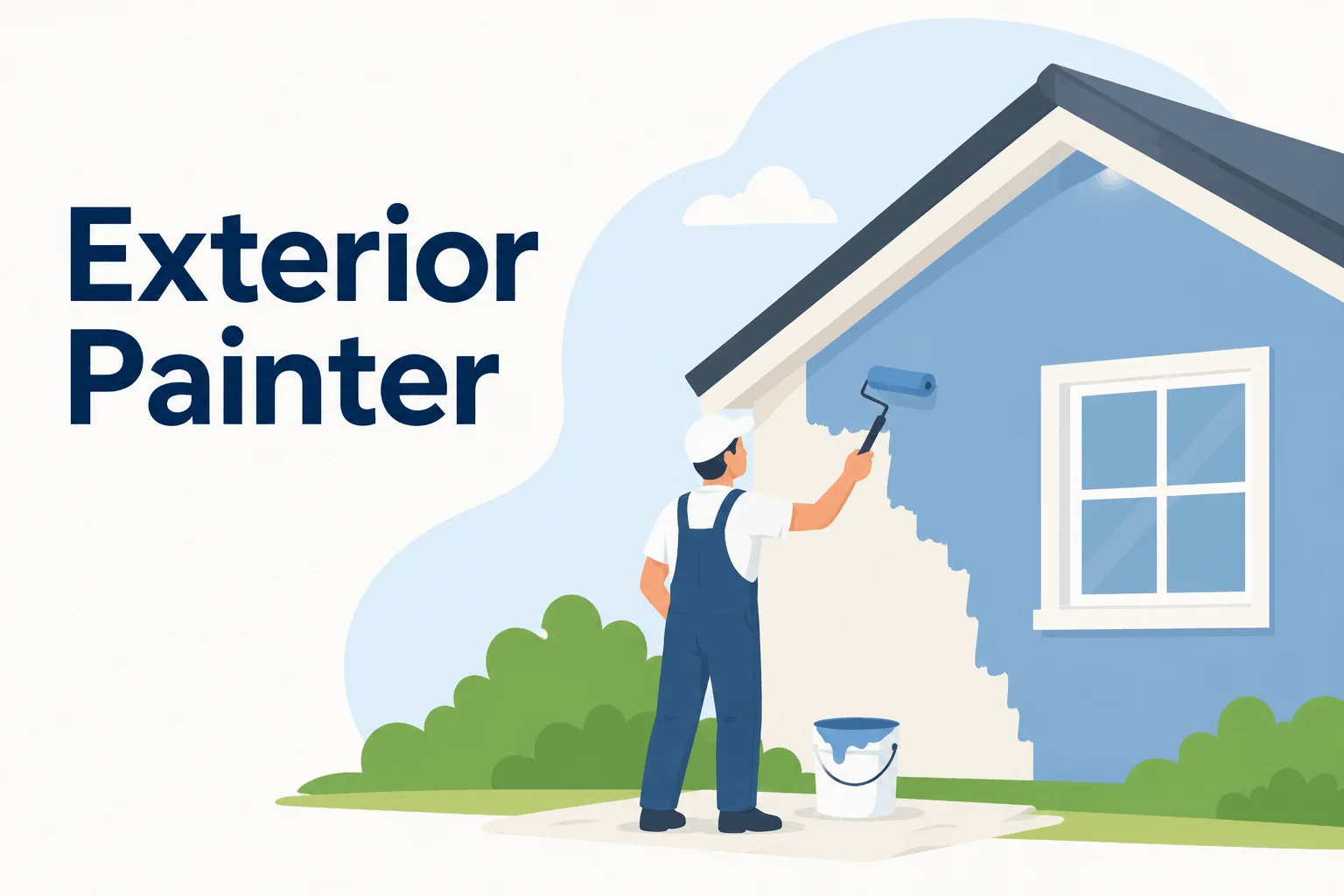
Exterior Painter: A Complete Guide to Protecting and Transforming Outdoor Surfaces
The exterior of a property is the first part that visitors, neighbors, customers, and passersby notice, making its appearance an important part of overall property presentation. However, exterior painting is about much more than choosing an attractive color. Outdoor surfaces are continuously exposed to sunlight, rain, wind, humidity, temperature changes, dust, and other environmental conditions. Over time, these factors can cause paint to fade, crack, peel, blister, or lose its protective qualities. A carefully planned painting project can refresh the appearance of a property while helping protect exterior materials from everyday exposure.
Hiring an experienced exterior painter can be valuable when a project involves multiple surfaces, extensive preparation, difficult access, or specialized coatings. Professional painting requires knowledge of surface preparation, primer selection, paint compatibility, application techniques, weather conditions, and finishing methods. When these elements are handled properly, the result can be more attractive and durable than a rushed application. Whether the project involves a complete exterior repaint, a small refresh, or the restoration of worn surfaces, understanding the process can help property owners make better decisions.
Understanding the Importance of Exterior Painting
Exterior paint serves both decorative and protective purposes. A fresh coating can improve the visual appearance of siding, stucco, wood, trim, doors, shutters, and other surfaces. At the same time, appropriate exterior coatings can help protect materials from moisture, ultraviolet exposure, and general environmental wear.
When paint begins to deteriorate, the underlying material may become increasingly vulnerable. Peeling paint can expose wood to moisture, while cracks and gaps can allow water to reach surfaces beneath the coating. Addressing these problems early can help prevent deterioration from becoming more extensive.
Exterior painting can also give an older property a refreshed appearance without requiring major construction. Changing the color of trim, doors, or siding can create a noticeable visual difference. However, appearance should always be considered alongside the condition of the underlying surfaces. Paint cannot permanently solve structural damage, active leaks, severe rot, or other problems that need repair before coating.
Inspecting the Exterior Before Painting
A thorough inspection should take place before any paint is applied. Every surface should be examined for peeling, cracking, mildew, stains, damaged wood, loose siding, deteriorated caulking, rust, and other conditions that could affect the final result.
Wood surfaces deserve particular attention because moisture can cause swelling, warping, splitting, and rot. If damaged areas are simply painted over, the underlying problem may continue and eventually compromise the new finish.
Masonry surfaces should also be inspected for cracks or moisture problems. Stucco, concrete, and brick may require different preparation methods and coatings than wood or metal. Identifying the material before selecting products helps ensure compatibility.
The inspection should also include areas around windows, doors, roof edges, vents, and other transitions. These locations may contain gaps or deteriorated sealants that should be addressed before painting begins.
Preparing Surfaces Properly
Surface preparation is one of the most important stages of any exterior painting project. Even high-quality paint may fail prematurely if it is applied over dirt, loose paint, grease, chalking surfaces, or unstable materials.
The exterior may need to be washed to remove dust, dirt, pollen, and other contaminants. Areas with biological growth may require appropriate cleaning and treatment. Loose or peeling paint should be removed, and damaged surfaces should be repaired before primer or finish coats are applied.
Sanding may be necessary to smooth rough edges and improve adhesion. In some situations, scraping, patching, caulking, or replacement of damaged materials may also be required.Preparation takes time, but it has a direct influence on the quality of the finished project. A beautifully selected color will not look its best if the underlying surface is uneven or deteriorated.
Choosing the Right Exterior Paint
Exterior coatings are formulated to withstand environmental conditions that interior paints do not normally encounter. The appropriate product depends on the surface material, climate, exposure, desired appearance, and expected durability.
Acrylic-based exterior paints are commonly used for many applications because they can provide flexibility and weather resistance. Other coatings may be appropriate for specific materials or conditions.
The finish also affects appearance and maintenance. Flat finishes can help conceal minor surface imperfections, while satin or semi-gloss finishes may provide greater washability and a different visual effect. Trim and doors are often finished differently from large wall surfaces to create contrast.
Paint selection should also consider the existing coating. Incompatible products can result in poor adhesion, bubbling, cracking, or other failures. When uncertain, professional guidance can help determine which products are appropriate.
Selecting Exterior Colors
Color selection can significantly change how a property looks. Light colors may create a bright, clean appearance, while darker tones can provide a more dramatic effect. Neutral colors can offer a versatile appearance, while carefully selected accent colors can highlight architectural features.
The surrounding environment and existing materials should also be considered. Roofing, stone, brick, landscaping, doors, windows, and other exterior elements all contribute to the overall color scheme.It is often useful to test sample colors before committing to a full project. Paint can appear different depending on lighting, surface texture, and surrounding colors. A shade that looks appealing on a small sample may appear significantly different when applied across a large exterior wall.
A balanced color scheme usually works better than selecting several unrelated colors. The goal should be to create visual harmony between the major surfaces and smaller architectural details.
Painting Wood Siding and Trim
Wood siding and trim require careful preparation because the material can absorb moisture and expand or contract as environmental conditions change. Existing paint should be inspected for peeling or cracking, and damaged boards should be repaired or replaced before painting.
Primer may be required on bare wood or areas where the existing coating has been removed. Proper priming helps create a consistent surface and can improve adhesion of the finish coat.Edges, joints, and transitions should be sealed appropriately where necessary. Good caulking can help reduce moisture entry around windows, doors, and other vulnerable areas.
The number of coats required depends on the condition of the surface, color change, paint product, and manufacturer’s recommendations. Applying sufficient coverage is important for both appearance and protection.
Painting Stucco and Masonry
Masonry surfaces have different characteristics from wood and may require specialized preparation. Stucco and concrete can contain pores and irregular textures that affect how paint is absorbed.
Cracks should be evaluated before painting. Some minor cracks may be repaired with appropriate materials, while larger or recurring cracks may indicate an underlying issue requiring further assessment.Moisture is another important consideration. Painting a damp masonry surface can lead to adhesion problems and premature coating failure. The surface should be appropriately dry and prepared before application.
Choosing a coating designed for masonry can help accommodate the characteristics of the material. Proper application technique is also important because textured surfaces may require more material and careful coverage.
Preparing Metal Surfaces
Metal doors, railings, shutters, gutters, and other exterior features may require painting or refinishing. Rust, loose coatings, grease, and other contaminants should be removed before a new finish is applied.
Rust treatment may be necessary depending on the condition of the metal. A suitable primer can help protect exposed metal and improve adhesion of the topcoat.Metal surfaces can become particularly hot in direct sunlight, which can affect application and drying. Painting during unsuitable conditions may result in poor flow, uneven coverage, or premature failure.
The coating should be selected specifically for the type of metal and expected outdoor exposure. Following product instructions is important for achieving the intended performance.
Understanding Weather Conditions
Weather can have a major effect on exterior painting. Temperature, humidity, sunlight, wind, and precipitation can all influence how paint behaves during application and drying.
Painting during excessive heat may cause the coating to dry too quickly, potentially affecting smoothness and adhesion. High humidity can slow drying, while rain can damage an uncured finish.Strong wind can also create problems by carrying dust, debris, or other contaminants onto freshly painted surfaces. It can make application more difficult and create safety concerns when ladders or elevated equipment are being used.
Professional painters typically consider weather conditions when planning the work schedule. Selecting suitable application conditions can contribute to a more consistent and durable finish.
Using Primer Effectively
Primer can serve several important purposes. It may help seal porous surfaces, improve adhesion, cover stains, create a consistent base, and prepare repaired or bare areas for finish coats.
Not every surface requires the same type of primer. Bare wood, metal, masonry, and previously painted surfaces may have different requirements.Primer is particularly important when significant portions of the existing coating have been removed or when the new color differs substantially from the old one. A suitable primer can help the finish coat achieve more consistent coverage.
Using the wrong primer, applying it too thinly, or skipping necessary preparation can reduce the effectiveness of the overall painting system.
Protecting Windows, Doors, and Landscaping
Preparation should include protecting areas that are not intended to be painted. Windows, doors, light fixtures, outdoor furniture, plants, walkways, and other surfaces can be covered or protected as appropriate.
Careful masking and drop-cloth placement can reduce accidental paint splatter. Plants near walls should be protected without creating unnecessary pressure or damage.After painting, protective materials should be removed carefully. Paint that has accidentally reached unwanted surfaces should be addressed promptly and according to the material involved.Attention to these details contributes to a cleaner, more professional-looking project.
Safety During Exterior Painting
Exterior painting can involve ladders, scaffolding, elevated platforms, power washers, scrapers, and other equipment. Working at height introduces risks that require appropriate safety practices.
Ladders should be positioned securely on stable surfaces and used according to safety guidelines. For taller structures or complex areas, professional equipment and trained workers may be necessary.Protective equipment can also be important when sanding, scraping, washing, or handling coatings. Adequate ventilation and appropriate handling procedures should be maintained even when working outdoors.
Property owners should avoid entering active work areas unnecessarily. Paint containers, tools, ladders, and other equipment can create temporary hazards for children, pets, and visitors.
Benefits of Hiring an Experienced Professional
Hiring a qualified exterior painter can make a significant difference when a project requires extensive preparation, multiple surface types, elevated work, or specialized coatings. Professionals generally have experience identifying surface problems, selecting appropriate products, preparing materials, and applying coatings efficiently.
Professional painters can also help estimate the amount of paint and preparation materials required. Accurate estimates can reduce waste and prevent delays caused by running out of materials midway through the project.
Experience with different application methods can also improve the final finish. Depending on the surface, painters may use brushes, rollers, sprayers, or combinations of techniques. Each method has advantages and requires appropriate preparation and control.
Maintaining the Painted Exterior
A new paint job should be maintained regularly to preserve its appearance and protective qualities. Exterior surfaces should be inspected periodically for peeling, cracking, fading, stains, mildew, or other changes.
Cleaning can help remove dirt and organic debris before they become difficult to eliminate. Gutters and downspouts should also be maintained because overflowing water can repeatedly wet exterior walls.
Nearby vegetation should be managed so branches do not constantly scrape against painted surfaces. Plants growing directly against walls can also retain moisture and make cleaning more difficult.Small areas of paint damage can sometimes be repaired before they spread. Prompt attention to minor problems can help extend the useful life of the overall coating.
Common Exterior Painting Mistakes
One of the most common mistakes is painting over a dirty or unstable surface. Dirt and loose paint prevent proper adhesion and can cause premature peeling.
Another mistake is ignoring moisture problems. Painting over damp materials or failing to repair a leak can trap or conceal moisture and lead to coating failure.Choosing interior paint for outdoor surfaces is also problematic because interior products may not be formulated to withstand prolonged exposure to weather.
Applying paint under unsuitable weather conditions can create uneven finishes and reduce durability. Similarly, rushing preparation to finish the project quickly can result in visible imperfections and premature deterioration.Property owners should also avoid selecting colors without testing them. Exterior lighting can change the appearance of paint throughout the day, so sample testing is often worthwhile.
Planning the Project Budget
The cost of exterior painting depends on several factors, including property size, surface condition, number of stories, accessibility, preparation requirements, paint type, number of coats, and architectural complexity.
A detailed estimate should distinguish between preparation, repairs, priming, painting, and cleanup. This helps property owners understand what they are paying for and reduces the likelihood of unexpected charges.Additional repairs may be necessary after preparation begins. For example, peeling paint may reveal damaged wood underneath, or cleaning may expose cracks that require repair. A realistic budget should allow for reasonable unforeseen work.
When comparing professionals, homeowners should consider the scope and quality of the proposed work rather than focusing only on the lowest price. Proper preparation and application can influence how long the finish lasts.
Final Thoughts
A successful exterior painting project requires much more than applying a fresh layer of color. Proper inspection, preparation, material selection, priming, application, weather awareness, and maintenance all contribute to the quality and durability of the finished surface.
Working with an experienced exterior painter can be particularly helpful when the project involves large surfaces, difficult access, multiple materials, extensive preparation, or specialized coatings. Professional knowledge can help identify problems before painting begins and ensure that the chosen products are suitable for the surfaces involved.
Property owners should also remember that painting is most effective when underlying problems are addressed first. Leaks, damaged wood, deteriorated caulking, cracks, rust, and moisture issues should not simply be covered with paint. Resolving these conditions creates a stronger foundation for the new coating.
With proper preparation and consistent maintenance, an exterior paint project can significantly improve the appearance of a property while providing an additional layer of protection against everyday environmental exposure. Careful color selection can enhance architectural features, while durable coatings can help surfaces remain attractive for longer.
Ultimately, investing in quality exterior painter work is about combining appearance with protection. A well-planned project can refresh tired surfaces, improve curb appeal, protect exterior materials, and contribute to the long-term condition of the property. By focusing on preparation, suitable materials, safe application, and ongoing maintenance, property owners can achieve an exterior finish that looks polished and continues to perform effectively over time.