Cellulysis: Meaning, Process, Types, Uses, and Importance
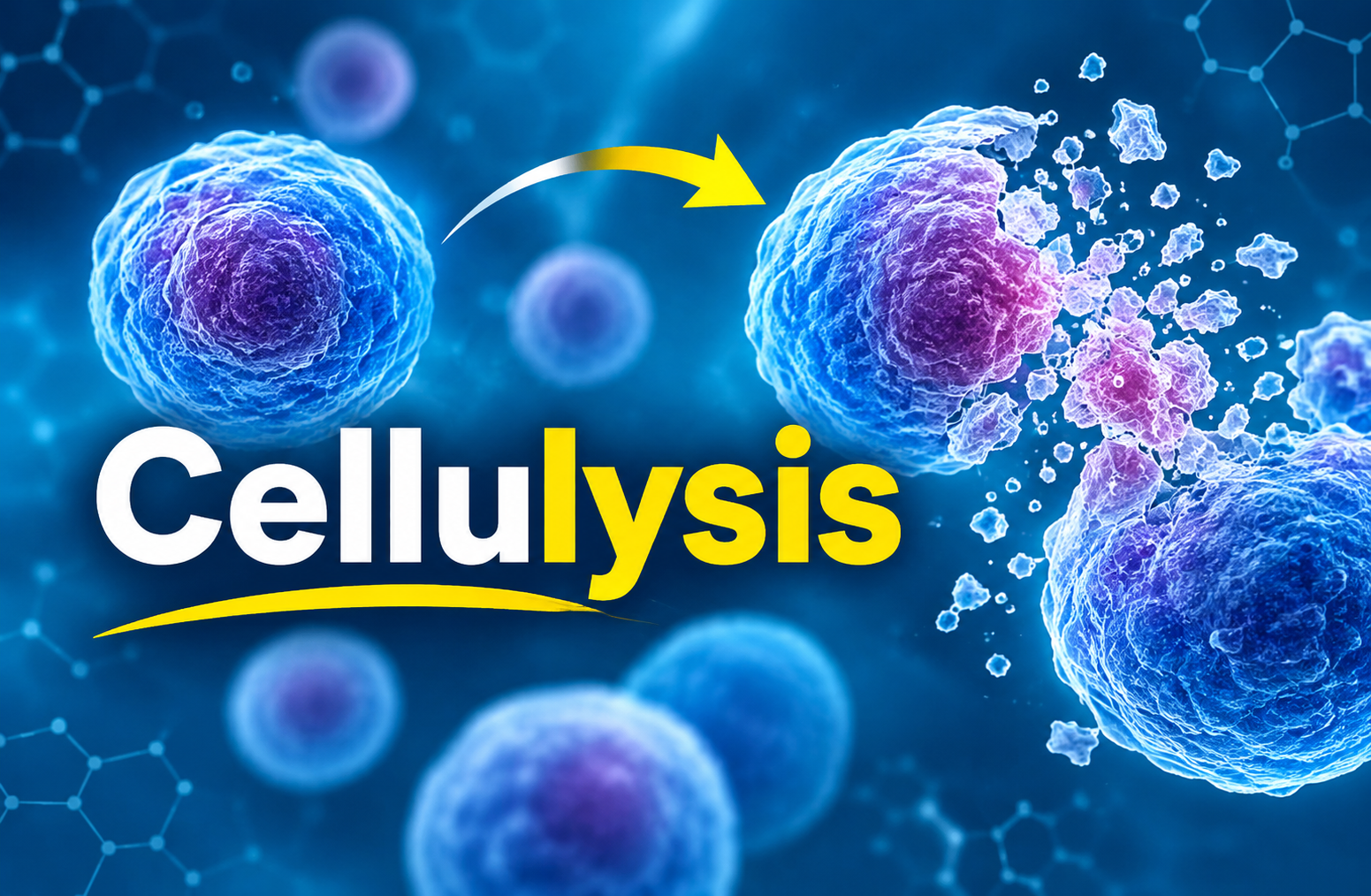
Cellulysis is a biological process associated with the breakdown or destruction of cells, usually involving damage to the cell membrane and the release of materials stored inside the cell. It is an important concept in cell biology, microbiology, biotechnology, medical research, and laboratory science. Understanding how cells break down helps researchers study cellular structures, investigate biological reactions, extract important molecules, and understand how different organisms respond to their environments.
Every living cell has a structure that protects its internal components. This structure includes a plasma membrane, which controls the movement of substances into and out of the cell. Some organisms, including plants, fungi, and bacteria, also have a cell wall that provides additional strength and protection. When these protective structures become damaged or lose their integrity, the cell may release its internal contents into the surrounding environment.
Although the process may sound simple, cellular breakdown involves several biological and physical mechanisms. It can occur naturally, as part of certain biological processes, or through external influences such as chemicals, enzymes, temperature changes, pressure, and mechanical force. The exact mechanism depends on the type of cell, its structure, and the conditions surrounding it.
This subject is particularly important because cells contain valuable biological materials, including proteins, enzymes, DNA, RNA, and other molecules. Scientists often need controlled methods to release these materials without unnecessarily damaging the substances they want to study.
This guide explains the scientific meaning of the process, how it happens, its major types, practical applications, benefits, limitations, and its importance in modern biological research.
What Is Cellulysis?
Cellulysis refers to the breakdown or destruction of cells through damage to their protective structures, particularly the plasma membrane. In scientific discussions, the more widely established term is cell lysis. The word lysis describes the breakdown of a cell and the release of its internal contents.
The process can happen when a cell experiences physical stress, chemical exposure, biological activity, or changes in its surrounding environment. Once the cell membrane loses its ability to maintain separation between the internal and external environments, cellular materials can escape.
For example, consider a bacterial cell exposed to an antibacterial substance that damages its protective membrane or cell wall. If the damage becomes severe enough, the cell may lose its structural integrity and release its internal components.
The same general principle applies to laboratory research. Scientists deliberately break open cells when they need to collect proteins, genetic material, enzymes, or other biological substances.
However, it is important to understand that not every form of cellular damage results in immediate lysis. Some cells experience temporary membrane damage and may recover. Others undergo regulated biological processes that lead to cell death without immediate membrane rupture.
The Difference Between Cell Damage and Cell Lysis
Cell damage and cell lysis are related, but they are not identical.
Cell damage describes a broad range of changes that affect normal cellular structure or function. These changes may involve the membrane, proteins, DNA, organelles, or energy-producing systems.
Cell lysis is more specific. It involves the breakdown of the cell’s protective boundary and the release of intracellular material.
The differences include:
- Cell damage: A cell experiences structural or functional problems but may remain intact.
- Membrane disruption: The plasma membrane becomes damaged or more permeable.
- Cell lysis: The cell boundary breaks down sufficiently to release internal contents.
- Cell death: The cell permanently loses its ability to maintain normal biological functions. This may occur with or without immediate lysis.
Understanding these distinctions is important in medical research because different forms of cell death can produce different effects on surrounding tissues.
Is Cellulysis the Same as Cellulolysis?
No. These terms should not be confused.
Cell lysis concerns the breakdown of cells. Cellulolysis, on the other hand, refers to the enzymatic or biological breakdown of cellulose.
Cellulose is a structural carbohydrate found in plant cell walls. It consists of long chains of glucose molecules connected through specific chemical bonds.
Cellulolytic enzymes, such as cellulases, break down cellulose into smaller carbohydrate units.
The distinction is important:
| Term | Meaning |
| Cellulysis | Breakdown or destruction of cells |
| Cell lysis | Standard scientific term for cellular breakdown |
| Cellulolysis | Breakdown of cellulose |
| Cytolysis | Destruction of a cell, commonly involving membrane disruption |
| Apoptosis | Regulated form of programmed cell death |
Using the correct terminology helps prevent confusion when reading scientific publications or studying biological processes.
How Does Cellulysis Work?
To understand how cellular breakdown happens, it is necessary to examine the basic structure of a cell.
The plasma membrane is made primarily of a phospholipid bilayer containing proteins and other molecules. It creates a selective barrier between the cytoplasm and the external environment.
This membrane performs several essential functions:
- Controls the movement of substances.
- Maintains the cell’s internal chemical environment.
- Supports communication with other cells.
- Helps regulate nutrient absorption.
- Prevents the uncontrolled loss of important cellular materials.
When the membrane becomes severely damaged, these functions begin to fail.
Step 1: Damage to the Protective Boundary
The process generally begins when an internal or external factor affects the integrity of the cell membrane or cell wall.
Possible causes include:
- Physical pressure.
- Chemical substances.
- Enzymatic activity.
- Sudden changes in water concentration.
- Temperature fluctuations.
- Biological agents such as certain viruses.
The nature of the initial damage depends on the cell type and the mechanism involved.
Step 2: Loss of Membrane Stability
After the protective boundary becomes damaged, the cell may lose control over the movement of water, ions, and other substances.
This can disturb the balance required for normal cellular activity.
For example, excessive water movement can cause some cells to swell. If the membrane cannot withstand the resulting pressure, it may rupture.
Step 3: Release of Intracellular Components
When the cell membrane breaks down, internal materials can escape into the surrounding environment.
These materials may include:
- Cytoplasmic proteins.
- Enzymes.
- DNA and RNA.
- Metabolic compounds.
- Cellular salts and ions.
- Other biological molecules.
The resulting mixture is commonly called a cell lysate.
Step 4: Breakdown or Removal of Cellular Material
After the cell has been disrupted, its remaining components may be broken down further or separated through laboratory procedures.
In research settings, scientists often use filtration or centrifugation to separate larger cellular debris from the liquid containing the released materials.
The next step depends on the research objective. A laboratory investigating proteins may use purification techniques, while a molecular biology laboratory may concentrate on extracting DNA or RNA.
Major Types of Cellulysis
Cellular breakdown can happen through several mechanisms. Scientists classify these methods according to the physical, chemical, or biological forces responsible for disrupting the cell.
Each method has different advantages, limitations, and practical applications.
1. Physical Cell Lysis
Physical cell lysis uses external forces or environmental changes to damage cellular structures.
It is commonly used in laboratory research because it can release intracellular materials without requiring highly specific biological agents.
Several techniques fall into this category.
Mechanical Disruption
Mechanical disruption uses physical force to break cells apart.
Common techniques include:
- Grinding.
- Homogenization.
- Bead beating.
- High-pressure disruption.
- Tissue crushing.
For example, researchers working with plant material may freeze tissue and grind it into a fine powder before extracting its cellular components.
Mechanical disruption is particularly useful when cells have strong protective structures that are difficult to break through mild chemical treatments.
However, excessive mechanical force can generate heat. This may damage proteins and other temperature-sensitive molecules.
Ultrasonication
Ultrasonication uses high-frequency sound waves to disrupt cells.
A laboratory instrument called an ultrasonic homogenizer or sonicator produces vibrations that travel through a liquid sample.
These vibrations can create microscopic bubbles. Their formation and collapse generate local forces that damage cellular structures.
This phenomenon is known as acoustic cavitation.
Ultrasonication is useful for disrupting many types of biological samples, especially bacterial suspensions and cultured cells.
However, it requires careful control. Excessive energy can increase sample temperature and damage sensitive proteins or genetic material.
Freeze-Thaw Disruption
Freeze-thaw disruption involves exposing cells to repeated freezing and thawing.
During freezing, ice formation and changes in the surrounding solution can place stress on cellular membranes. Thawing then changes the physical conditions again.
Repeated cycles may increase membrane damage and release intracellular components.
This method is relatively simple and does not always require specialized mechanical equipment.
However, it may not provide complete disruption for every cell type. It can also affect the stability of certain proteins.
2. Chemical Cell Lysis
Chemical cell lysis uses substances that interfere with the structural integrity of cellular membranes.
These substances may dissolve membrane lipids, alter membrane proteins, or change the chemical environment around the cell.
Detergent-Based Lysis
Detergents are widely used in laboratory research because they can interact with the lipid components of cellular membranes.
The membrane contains lipids arranged in a bilayer. Certain detergents interact with these lipids and help dissolve or disrupt the membrane.
As the membrane structure breaks down, intracellular materials become accessible.
Different detergents have different strengths.
For example:
- Ionic detergents can disrupt membranes strongly but may also denature proteins.
- Nonionic detergents are often milder and may preserve more protein structure.
- Zwitterionic detergents offer different membrane-solubilizing properties depending on their chemical composition.
The correct detergent depends on the target molecule and the purpose of the experiment.
A researcher extracting membrane proteins may need a different chemical environment from someone collecting soluble cytoplasmic proteins.
Osmotic Lysis
Osmotic lysis occurs when changes in the concentration of dissolved substances outside a cell cause water to move across its membrane.
Water movement is influenced by differences in solute concentration.
When certain cells are placed in a sufficiently hypotonic environment, water enters the cells. The cells may swell, and their membranes can rupture if the pressure becomes too great.
This method is particularly relevant when studying cells that are sensitive to changes in their surrounding environment.
However, not all cells respond in the same way. Cells with strong walls may resist swelling better than cells without those structures.
Alkaline Lysis
Alkaline lysis uses strongly alkaline chemical conditions to disrupt cellular structures.
It is particularly well known in molecular biology for plasmid DNA extraction from bacterial cells.
Under controlled laboratory conditions, alkaline solutions help disrupt cellular components. In common plasmid isolation procedures, additional chemicals and carefully controlled neutralization steps help separate plasmid DNA from other cellular materials.
This method is valuable because plasmid DNA can often be recovered while much of the bacterial chromosomal DNA and protein material is separated.
However, the method requires proper laboratory procedures because excessive exposure to alkaline conditions can damage the target genetic material.
3. Enzymatic Cell Lysis
Enzymatic lysis uses biological molecules called enzymes to break down specific structural components of cells.
Unlike broad mechanical disruption, enzymes can act on particular chemical bonds.
This makes enzymatic approaches useful when researchers want to disrupt a specific type of cell while limiting unnecessary damage to other components.
Lysozyme
Lysozyme is an enzyme that breaks down important bonds in bacterial peptidoglycan.
Peptidoglycan is a major structural component of bacterial cell walls.
By weakening this protective structure, lysozyme can make bacterial cells more vulnerable to other disruption methods.
Its effectiveness depends on the bacterial species and the structure of its cell wall.
Proteolytic Enzymes
Proteolytic enzymes break down proteins.
Some are used in laboratory sample preparation to digest proteins that interfere with the recovery of DNA or other biological molecules.
Proteinase K is one example used in molecular biology procedures.
Its role should be distinguished from the direct disruption of a lipid membrane. It helps break down proteins rather than functioning as a universal cell-lysis enzyme.
Other Cell-Wall-Degrading Enzymes
Different organisms have different cell-wall compositions.
For example:
- Plant cell walls contain cellulose and other structural polysaccharides.
- Fungal cell walls contain chitin and glucans.
- Bacterial cell walls contain peptidoglycan.
- Animal cells do not have a rigid cell wall.
Researchers select enzymes according to the structure they need to disrupt.
This specificity is one of the major strengths of enzymatic approaches.
Natural Causes of Cellular Breakdown
Cell lysis does not happen only in laboratories. It can also occur naturally in living organisms and biological environments.
Natural cellular breakdown contributes to several important biological processes.
Viral Infection
Certain viruses reproduce inside host cells.
During some viral infections, newly produced viral particles are released when infected cells undergo lysis.
The exact release mechanism depends on the virus.
Some viruses cause host-cell rupture, while others leave the cell through processes that do not immediately destroy the membrane.
This distinction matters because viral release is not always associated with immediate cellular destruction.
Bacterial Activity
Some bacteria produce substances that damage the membranes or cell walls of other organisms.
These substances can contribute to competition between microorganisms.
Certain bacterial toxins also interfere with normal cellular membrane function.
Depending on the mechanism and exposure, this damage may lead to cell death or lysis.
Immune System Activity
The human immune system uses several mechanisms to eliminate infected or abnormal cells.
Some immune responses involve molecules that damage cellular membranes.
For example, components of the complement system can form membrane attack complexes that disrupt susceptible cell membranes.
Cytotoxic immune cells can also trigger regulated death pathways in target cells.
However, these mechanisms should not all be described as direct lysis. Some cause controlled cell death, while others can produce membrane damage and rupture.
Tissue Injury
Physical injury, severe inflammation, toxins, and certain infections can damage cells within body tissues.
If membrane integrity is lost, intracellular substances may enter the surrounding tissue.
This can contribute to inflammation and further biological responses.
The extent of the effects depends on the type of tissue, the number of affected cells, and the underlying cause.
Cellulysis vs. Apoptosis and Necrosis
One of the most important distinctions in cell biology is the difference between lysis, apoptosis, and necrosis.
Although all three are associated with cellular damage or death, they describe different processes.
What Is Apoptosis?
Apoptosis is a regulated form of cell death.
It allows organisms to remove unwanted, damaged, or unnecessary cells in a controlled way.
During apoptosis, the cell undergoes organized structural changes.
These may include:
- Cell shrinkage.
- Chromatin condensation.
- DNA fragmentation.
- Formation of membrane-bound apoptotic bodies.
- Recognition and removal by nearby cells or phagocytes.
The plasma membrane generally remains intact during the early stages of apoptosis.
This helps limit the uncontrolled release of intracellular material.
What Is Necrosis?
Necrosis is a form of cell death associated with severe cellular injury.
It may occur because of infection, toxins, physical trauma, loss of blood supply, or other harmful conditions.
Common features include:
- Cellular swelling.
- Damage to organelles.
- Loss of membrane integrity.
- Leakage of intracellular contents.
- Inflammatory responses in surrounding tissues.
Lysis can occur during necrotic cell death, especially when the plasma membrane breaks down.
Key Differences
| Feature | Cell lysis | Apoptosis | Necrosis |
| Main meaning | Breakdown of cellular boundaries | Regulated cell death | Cell death associated with injury |
| Membrane condition | Disrupted | Usually maintained initially | Eventually disrupted |
| Internal contents | Released | Mostly contained initially | Often released |
| Regulation | Depends on cause | Highly regulated | Usually associated with uncontrolled injury |
| Inflammation | May occur | Usually limited initially | Often significant |
The key point is that cell lysis describes a physical outcome involving cellular breakdown, while apoptosis and necrosis describe broader forms or patterns of cell death.
Importance of Cellulysis in Modern Science
Cellular breakdown has become an essential part of many scientific and industrial processes. Researchers cannot always study biological molecules while they remain inside intact cells. In many cases, they must first release those molecules into a controlled environment.
The importance of this process extends across several scientific fields.
1. Molecular Biology Research
Molecular biology focuses on understanding the molecules responsible for biological activity.
DNA, RNA, and proteins are central to this research.
Many molecular biology procedures require scientists to break open cells before collecting these materials.
For example, researchers may need to extract DNA from bacterial cells to study genetic sequences. Similarly, RNA extraction can help scientists investigate gene expression.
Without effective cellular disruption, many intracellular materials would remain inaccessible.
The quality of the extracted material also matters. A method that releases DNA but causes excessive degradation may produce unreliable research results.
This is why scientists select disruption techniques according to the material they want to preserve.
2. Protein Extraction and Analysis
Proteins perform many essential functions in living organisms.
They act as enzymes, structural components, transport molecules, receptors, and signaling substances.
Many proteins are located inside cells, making cellular disruption necessary for their extraction.
After the cells are broken open, researchers can collect the resulting lysate and separate the desired proteins from other materials.
These proteins may then be examined through techniques such as:
- Western blotting.
- Protein concentration assays.
- Electrophoresis.
- Chromatography.
- Enzyme activity testing.
- Mass spectrometry.
The choice of disruption method can strongly affect the results.
For example, a harsh detergent may release a large quantity of protein but also change its natural structure. If researchers want to investigate the protein’s biological activity, maintaining its functional structure may be more important than maximizing the total amount recovered.
3. Medical and Diagnostic Research
Cellular disruption supports several areas of medical investigation.
Laboratories may need access to genetic material, proteins, or other intracellular substances to identify biological changes associated with disease.
Some diagnostic procedures use extracted nucleic acids to detect infectious organisms or investigate genetic characteristics.
The process also supports research into how cells respond to medication, environmental stress, and infection.
However, it is important to distinguish laboratory cell disruption from a medical treatment.
The scientific term does not automatically refer to a procedure performed on a patient’s body. In most research contexts, it describes a sample-preparation or biological process.
4. Biotechnology and Pharmaceutical Development
Biotechnology companies use microorganisms and cultured cells to produce useful biological substances.
These substances may include:
- Recombinant proteins.
- Industrial enzymes.
- Research reagents.
- Vaccine-related materials.
- Therapeutic biological products.
Some of these products accumulate inside the cells that produce them.
In such cases, manufacturers need an effective way to release the desired material before purification.
For example, a microorganism engineered to produce a particular protein may store that protein within its cytoplasm.
The production process must therefore include a suitable cell-disruption stage.
The challenge is not simply to break every cell. Manufacturers must also protect the target substance from degradation and make the purification process economically practical.
5. Microbiology
Microbiology investigates bacteria, fungi, viruses, and other microorganisms.
Cell lysis is useful in studying microbial structure, identifying biological components, and understanding how microorganisms respond to external conditions.
Researchers may use controlled disruption to examine:
- Bacterial proteins.
- Microbial DNA.
- Enzymes.
- Cell-wall components.
- Intracellular metabolites.
The process can also help researchers investigate how certain antimicrobial agents affect microorganisms.
6. Environmental Biotechnology
Environmental biotechnology uses biological systems to address environmental challenges.
Researchers studying microorganisms involved in wastewater treatment, pollution control, and nutrient cycling may need to examine intracellular substances.
Cell disruption can make those materials accessible for analysis.
It can also be relevant to the recovery of biological products from algae and other microorganisms.
However, the practical value depends on the organism, the target substance, and the cost of downstream processing.
Real-World Applications of Cellulysis
Understanding scientific principles becomes easier when they are connected to practical situations.
The following examples demonstrate how cellular breakdown supports real laboratory and industrial work.
Example 1: Extracting DNA From Bacterial Cells
Imagine a laboratory investigating a bacterial sample.
The researchers want to identify the organism by examining its genetic material.
However, the DNA is protected inside the bacterial cell.
The laboratory must first disrupt the cellular structures and release the DNA.
A typical extraction workflow includes several broad stages:
- Collecting and preparing the bacterial sample.
- Disrupting the cells using an appropriate method.
- Breaking down or removing unwanted proteins and other substances.
- Separating the DNA from cellular debris.
- Purifying the genetic material.
- Checking the quality and quantity of the extracted DNA.
The quality of the initial disruption stage can affect every step that follows.
Incomplete disruption may reduce DNA recovery. Excessive or inappropriate treatment may damage the genetic material or introduce unwanted contaminants.
Example 2: Recovering Proteins From Cultured Cells
A biotechnology laboratory may grow cells that produce a protein of research or commercial interest.
If the protein remains inside the cells, researchers must release it before purification.
The laboratory selects a suitable method based on the cell type and protein characteristics.
After disruption, the sample may contain:
- The desired protein.
- Other cellular proteins.
- Membrane fragments.
- Nucleic acids.
- Lipids.
- Dissolved cellular substances.
The next stage involves separating the desired protein from the other components.
This example demonstrates why successful cell disruption is only one part of a larger production process.
Example 3: Studying Bacterial Cell Walls
Scientists studying bacterial resistance may investigate the structure and composition of bacterial cell walls.
Some research methods use enzymes that target specific wall components.
By weakening or breaking down these structures, researchers can examine their chemical composition and biological function.
This type of investigation can contribute to a better understanding of how certain antibacterial treatments work.
Example 4: Investigating Viral Infection
Researchers studying viral infections may examine how infected cells respond to viral replication.
Some viruses cause cellular membrane disruption during their release.
Scientists can study these changes to understand the relationship between viral activity, host-cell damage, and infection progression.
Such research is useful in virology and the development of antiviral strategies.
Example 5: Producing Industrial Enzymes
Some microorganisms are used to produce enzymes for industrial applications.
Depending on where the enzyme accumulates, manufacturers may need to recover it from inside the cells.
A suitable disruption method helps release the enzyme before purification and formulation.
The method must balance several factors:
- Recovery efficiency.
- Enzyme stability.
- Processing time.
- Equipment requirements.
- Production costs.
- Final product quality.
This balance becomes increasingly important when moving from small laboratory samples to large industrial batches.
Benefits of Cellulysis
The process provides several scientific and practical benefits when performed under suitable conditions.
Access to Intracellular Materials
One of its most important benefits is the ability to access materials that would otherwise remain inside intact cells.
This includes proteins, nucleic acids, enzymes, and other biological substances.
Access to these materials allows researchers to perform experiments that would not be possible using intact cells alone.
Supports Accurate Laboratory Analysis
Many analytical techniques require isolated or accessible biological molecules.
Cell disruption helps prepare samples for further testing.
When the process is properly selected and controlled, it can improve the recovery of target molecules and support more reliable analysis.
Enables Biotechnology Production
Industrial biotechnology depends on the ability to produce and recover useful biological materials.
For intracellular products, cell disruption is an essential part of the recovery process.
It helps connect biological production with downstream purification.
Supports Scientific Discovery
Researchers can use cellular breakdown to investigate the structure and function of biological systems.
It helps scientists study how cells are organized and how different components contribute to cellular activity.
Offers Multiple Processing Options
There is no single method suitable for every biological sample.
Scientists can choose among mechanical, chemical, enzymatic, and other approaches.
This flexibility allows researchers to design procedures according to their specific objectives.
Challenges and Limitations
Although cellular disruption is useful, it also creates several technical challenges.
A successful process requires more than simply breaking a cell open.
Researchers must consider what happens to the released materials and whether they remain suitable for the intended experiment.
1. Damage to Important Proteins
One major limitation is the possibility of protein degradation or denaturation.
Proteins have specific three-dimensional structures that are essential for their functions.
Harsh chemicals, excessive heat, and strong mechanical forces may change these structures.
As a result, a laboratory may recover proteins that are present in the sample but no longer perform their normal biological functions.
This is especially problematic when studying enzymes or proteins that interact with other molecules.
2. Incomplete Cell Disruption
Not every method works equally well for every cell type.
Some microorganisms have strong protective walls. Other cells have membranes that are easier to disrupt.
If the chosen method is unsuitable, a portion of the sample may remain intact.
This can reduce the amount of target material recovered and create inconsistencies between experiments.
3. Contamination
Once cells are disrupted, their internal materials mix with the surrounding solution.
The resulting sample may contain many unwanted substances.
These can include:
- Membrane fragments.
- Cellular proteins.
- Lipids.
- Nucleic acids.
- Enzymes that degrade other molecules.
- Residual chemicals from the disruption process.
Additional purification is often necessary.
4. Temperature Control
Some disruption techniques generate heat.
For example, mechanical homogenization and ultrasonication may increase sample temperature.
Excessive heating can damage proteins, enzymes, and other sensitive biological materials.
Researchers must therefore consider the temperature tolerance of their target substance.
5. Equipment and Operating Costs
Certain methods require specialized equipment.
High-pressure homogenizers, ultrasonic instruments, and automated cell-disruption systems can involve substantial initial costs.
Maintenance, electricity consumption, cleaning, and operating procedures can add further expenses.
This may make some methods impractical for smaller laboratories.
6. Differences Between Cell Types
One of the most important challenges is biological variation.
A technique that works well for animal cells may not be suitable for bacterial or fungal cells.
This happens because different organisms have different membrane compositions and protective structures.
Researchers must understand the sample before choosing a disruption method.
7. Downstream Purification
Breaking cells open does not automatically produce a pure sample.
In many cases, the lysate contains a complex mixture of biological substances.
Separating the desired material may require centrifugation, filtration, chromatography, or other purification techniques.
The cost and complexity of these steps can sometimes become greater than the initial disruption process itself.
How to Choose the Right Cell Lysis Method
Selecting a suitable technique is one of the most important decisions in laboratory sample preparation.
The best approach depends on the scientific objective rather than the popularity of a particular method.
Researchers should consider the following factors.
1. Identify the Cell Type
Start by identifying the organism or cell population.
Ask whether the sample contains:
- Animal cells.
- Plant cells.
- Gram-positive bacteria.
- Gram-negative bacteria.
- Fungal cells.
- Algae.
- Other microorganisms.
This information helps determine the strength and type of disruption required.
For example, bacterial cell walls can create additional barriers that are not present in animal cells.
2. Identify the Target Material
The next step is to decide what needs to be recovered.
Is the objective to collect DNA, RNA, proteins, enzymes, or another substance?
Different molecules have different sensitivities.
A technique that works well for extracting one type of material may damage another.
3. Consider Sample Size
The amount of biological material also influences method selection.
A technique suitable for a small laboratory sample may not be efficient for industrial production.
Large-scale processing requires attention to equipment capacity, processing speed, consistency, and operating costs.
4. Evaluate Temperature Sensitivity
Some biological substances are sensitive to heat.
If the target protein or enzyme is unstable at elevated temperatures, researchers should avoid disruption conditions that create excessive heating.
Temperature monitoring and suitable sample handling can help protect the target material.
5. Consider Purification Requirements
A good disruption method should make the next stages of the experiment easier.
Researchers should consider whether the selected chemicals or physical forces will introduce substances that interfere with later analysis.
For example, certain detergents can interfere with protein assays.
This makes compatibility with downstream procedures an important part of method selection.
6. Compare Cost and Efficiency
The most effective method is not always the most expensive one.
A laboratory should compare the amount of material recovered, its quality, the time required, and the total processing cost.
The goal is to find a method that delivers reliable results without unnecessary complexity.
A Practical Framework for Improving Cell Lysis Results
Consistent results require careful sample preparation and controlled experimental conditions.
The following framework provides a useful way to approach laboratory optimization.
First, establish the objective. Define the target molecule and the quality requirements for the final sample.
Second, understand the sample. Identify the cell type, its protective structures, and any known sensitivity to physical or chemical stress.
Third, select an appropriate disruption strategy. Choose a physical, chemical, enzymatic, or combined approach based on the biological material.
Fourth, protect the target substance. Consider temperature, pH, chemical compatibility, and possible degradation.
Fifth, assess disruption efficiency. Determine whether the method releases sufficient intracellular material.
Sixth, evaluate sample purity. Check whether unwanted cellular components or chemical residues interfere with the intended analysis.
Seventh, document the procedure. Record the method, sample conditions, equipment settings, and quality-control results.
Documentation makes it easier to reproduce successful experiments and investigate unexpected results.
Why Experimental Controls Matter
A laboratory should not assume that a successful-looking sample automatically represents successful cell disruption.
Appropriate controls help researchers determine whether the observed results are caused by the intended procedure.
For example, comparing disrupted and untreated samples can help identify changes in the release of intracellular materials.
Researchers may also use suitable reference samples or analytical measurements to assess recovery and sample quality.
The exact controls depend on the experiment.
The broader principle is simple: scientific conclusions should be supported by measurable results rather than visual appearance alone.
Cellulysis in Research and Future Biotechnology
The study of cellular breakdown continues to support developments in biotechnology and analytical science.
Modern laboratories increasingly need methods that are faster, more precise, and better suited to small biological samples.
Traditional approaches such as homogenization, chemical disruption, and ultrasonication remain useful. However, researchers are also investigating advanced methods that offer greater control over individual cells.
Microfluidic Cell Disruption
Microfluidics involves manipulating very small quantities of liquid through tiny channels.
In biological research, microfluidic devices can be designed to handle individual cells or small groups of cells.
These systems can use electrical, mechanical, chemical, or other physical mechanisms to disrupt cellular structures.
One potential advantage is that they can support more controlled sample processing.
They are particularly relevant to research involving single-cell analysis, where the amount of biological material available may be extremely limited.
However, device design, sample compatibility, and processing efficiency remain important technical considerations.
Single-Cell Analysis
Traditional laboratory methods often analyze large populations of cells together.
This can make it difficult to identify differences between individual cells.
Single-cell analysis addresses this limitation by examining cells individually or at very small scales.
Cell disruption can be an important preparation stage because researchers may need to release the genetic material or proteins from a single cell.
The choice of method is especially important because losing or damaging a small amount of material can significantly affect the result.
Automated Sample Preparation
Automation is another important development.
Automated systems can perform repeated sample-preparation tasks with less manual handling.
Potential benefits include:
- Improved processing consistency.
- Reduced manual variation.
- Better experimental documentation.
- Increased sample throughput.
- More standardized laboratory workflows.
Automation does not eliminate the need for scientific judgment. Researchers must still select suitable conditions and verify sample quality.
More Selective Disruption Techniques
Future developments may focus on disrupting specific cellular structures while preserving sensitive molecules.
This is particularly important when studying membrane proteins, functional enzymes, and other molecules that can be damaged by harsh treatments.
More selective techniques could help researchers improve recovery and reduce the amount of unwanted cellular material in their samples.
Industrial Applications and Scale-Up
Industrial biotechnology requires methods that work reliably beyond small laboratory experiments.
A disruption method that performs well with a few milliliters of sample may behave differently when processing hundreds or thousands of liters.
Scale-up introduces challenges involving heat transfer, mixing, pressure distribution, equipment performance, and energy consumption.
For this reason, industrial process development often involves testing and optimization at multiple scales.
The future of cellular disruption will depend not only on scientific effectiveness but also on efficiency, affordability, reliability, and compatibility with large-scale production.
Common Misconceptions About Cellulysis
Several misunderstandings can make this biological topic confusing.
Clarifying them helps readers develop a more accurate understanding.
Misconception 1: Every Damaged Cell Undergoes Lysis
This is incorrect.
A cell can experience membrane damage without immediately rupturing.
Some forms of cellular stress are reversible, while others trigger regulated pathways that lead to cell death.
Lysis specifically involves the breakdown of cellular boundaries and the release of intracellular materials.
Misconception 2: Cell Lysis Always Requires Chemicals
Cellular disruption can occur through many mechanisms.
Mechanical forces, temperature changes, osmotic pressure, enzymes, and chemical substances can all contribute.
The correct approach depends on the cell type and the intended outcome.
Misconception 3: All Lysis Methods Produce the Same Results
Different methods affect cells and their internal components in different ways.
Some techniques release proteins efficiently but may damage their structure.
Others preserve certain molecules but may not completely disrupt resistant cells.
Therefore, method selection is a critical part of laboratory planning.
Misconception 4: Cell Lysis and Apoptosis Are Identical
They are not identical.
Apoptosis is a regulated form of cell death. Lysis describes the breakdown of cellular boundaries.
Although membrane rupture can occur during certain stages of cell death, the terms describe different biological concepts.
Misconception 5: A Cell Lysate Is a Pure Biological Product
A lysate is generally a mixture of released cellular components.
It may contain proteins, DNA, RNA, lipids, enzymes, and cellular debris.
Additional purification is usually required to isolate a particular substance.
Misconception 6: More Disruption Always Means Better Results
Complete disruption may be desirable in some experiments, but it is not the only measure of success.
If the target material is damaged during the process, high disruption efficiency may not produce a useful final sample.
The real objective is to achieve the appropriate balance between cellular disruption, target recovery, and sample quality.
How to Interpret Scientific Research About Cellulysis
Readers exploring this subject may encounter different experimental methods and research findings.
It is important to understand how to evaluate the information.
Examine the Cell Type
A research result obtained using one organism cannot automatically be applied to another.
Cell structure varies significantly across biological groups.
A method that works with a particular bacterial strain may not produce the same outcome with plant or animal cells.
Look at the Research Objective
Some studies aim to recover proteins, while others focus on DNA, RNA, or cellular structures.
The preferred method may differ depending on the target material.
Check the Experimental Conditions
Research findings should be interpreted alongside the conditions under which the experiment was conducted.
These may include temperature, pH, sample concentration, processing time, and equipment settings.
Without this information, it can be difficult to determine whether the findings are applicable to another experiment.
Distinguish Experimental Results From General Claims
A method that performs well in one experiment is not necessarily the best method for every laboratory.
Reliable scientific interpretation considers the sample, the target molecule, and the limitations of the experimental design.
For a broader scientific definition, the International Union of Pure and Applied Chemistry provides an authoritative explanation of lysis and its accepted chemical terminology.
Frequently Asked Questions About Cellulysis
1. What does cellulysis mean in biology?
Cellulysis refers to the breakdown or destruction of cells, generally involving damage to the plasma membrane and the release of intracellular materials. Cell lysis is the more widely established scientific term.
2. What causes cell lysis?
Cell lysis can result from physical forces, chemical substances, enzymatic activity, osmotic changes, or biological agents such as certain viruses. The exact cause depends on the cell type and surrounding conditions.
3. What is the main purpose of cell lysis in laboratories?
The main purpose is to release intracellular materials such as DNA, RNA, proteins, and enzymes. These substances can then be collected, purified, and studied using different laboratory techniques.
4. What are the main methods of cell lysis?
The main methods include mechanical disruption, ultrasonication, freeze-thaw treatment, detergent-based disruption, osmotic lysis, and enzymatic treatment. Each method has different advantages and limitations.
5. Is cell lysis the same as apoptosis?
No. Apoptosis is a regulated form of cell death, while cell lysis describes the breakdown of cellular boundaries and the release of internal contents. Apoptosis generally maintains membrane integrity during its early stages.
6. Why is cell lysis important in biotechnology?
It allows manufacturers and researchers to recover intracellular products such as proteins and enzymes. These materials can be purified and used in scientific research, pharmaceutical development, and industrial biotechnology.
Conclusion
Cellulysis is an important concept in modern biology because it explains how cells lose their structural integrity and release the materials contained inside them. Although the term is less commonly used than cell lysis, the underlying process plays a valuable role in microbiology, molecular biology, biotechnology, and medical research.
The process can occur through physical, chemical, enzymatic, and biological mechanisms. Each method works differently and offers specific advantages depending on the type of cell and the material researchers want to recover.
Its applications extend from extracting DNA and proteins to studying microbial structures, investigating viral infections, and supporting industrial biotechnology. At the same time, researchers must consider important limitations, including incomplete disruption, protein degradation, contamination, temperature sensitivity, and purification costs.
Another important point is the distinction between cellular lysis, apoptosis, necrosis, and cellulolysis. These terms describe different biological processes and should not be used interchangeably.
As laboratory technology develops, more precise and efficient disruption techniques are creating new opportunities for scientific investigation. Understanding the mechanisms, applications, and limitations of this process provides a useful foundation for anyone interested in cell biology and modern biotechnology.