Inurl:charfen.co.uk: A Complete Guide to the Website
When people search for inurl:charfen.co.uk, they may be trying to understand what the website offers, discover its published information, investigate its online presence, or find out whether its content is useful and trustworthy. Understanding the domain requires looking beyond its name and examining the website’s actual purpose, content categories, publishing approach, and publicly available information. Charfen.co.uk presents itself as a platform with business-related interests, but its published material covers several additional subjects, including technology, health, food, lifestyle, and general information. This guide explores the website from a practical reader’s perspective and explains how to evaluate its content without making assumptions about its ownership, reputation, or professional authority.
What Is inurl:charfen.co.uk?
The expression inurl:charfen.co.uk combines a Google search operator with a website domain. It is important to understand that the expression itself is not a company name, software product, or online service. Instead, it represents a search query that can help users investigate pages associated with a particular web address.
The website at Charfen.co.uk operates as an online publishing platform. Visitors can explore articles covering different subjects rather than finding information about just one specialist industry. Its published material includes business discussions, technology developments, lifestyle topics, health information, and other general-interest subjects.
This broad approach gives the website opportunities to reach readers with different interests. Someone looking for business information may discover an article about professional development, while another visitor may arrive through a technology or lifestyle search.
However, understanding a website requires more than looking at its domain name or homepage description. Its published articles, author information, editorial standards, and contact details provide a more useful picture of what readers can expect.
A sensible starting point is to distinguish three things:
- The domain: The web address visitors use to access the platform.
- The publication: The articles, categories, and information available through the website.
- The search operator: A search instruction that helps users investigate URLs associated with the domain.
These elements serve different purposes. Confusing them can lead to incorrect assumptions about the website.
Understanding the Purpose of Charfen.co.uk
A website’s purpose is best understood by examining what it actually publishes and how visitors interact with its content.
Charfen.co.uk has a broad publishing approach. Rather than limiting its material to a single subject, the platform features information from several areas of everyday interest.
This can be useful for readers who prefer discovering different subjects in one place. It can also create challenges because a website covering many industries must maintain suitable standards across every category.
For example, the knowledge required to explain cybersecurity is different from the expertise needed to discuss nutrition, property, or business management.
A strong publishing platform should recognize these differences and make sure that each subject receives appropriate research and editorial attention.
A General Information Publishing Platform
General information websites provide articles intended to explain subjects, answer common questions, and help readers understand different topics.
Their content may include:
- Educational explanations.
- Practical guides.
- Industry discussions.
- Product and service information.
- Lifestyle advice.
- Technology-related articles.
- Business and professional topics.
The main advantage is accessibility. Readers can explore subjects without needing to visit several specialist publications for basic introductions.
However, general information should not automatically be confused with specialist advice. A useful introductory article may explain the basics of a subject without replacing guidance from a qualified professional.
A Website With Multiple Content Categories
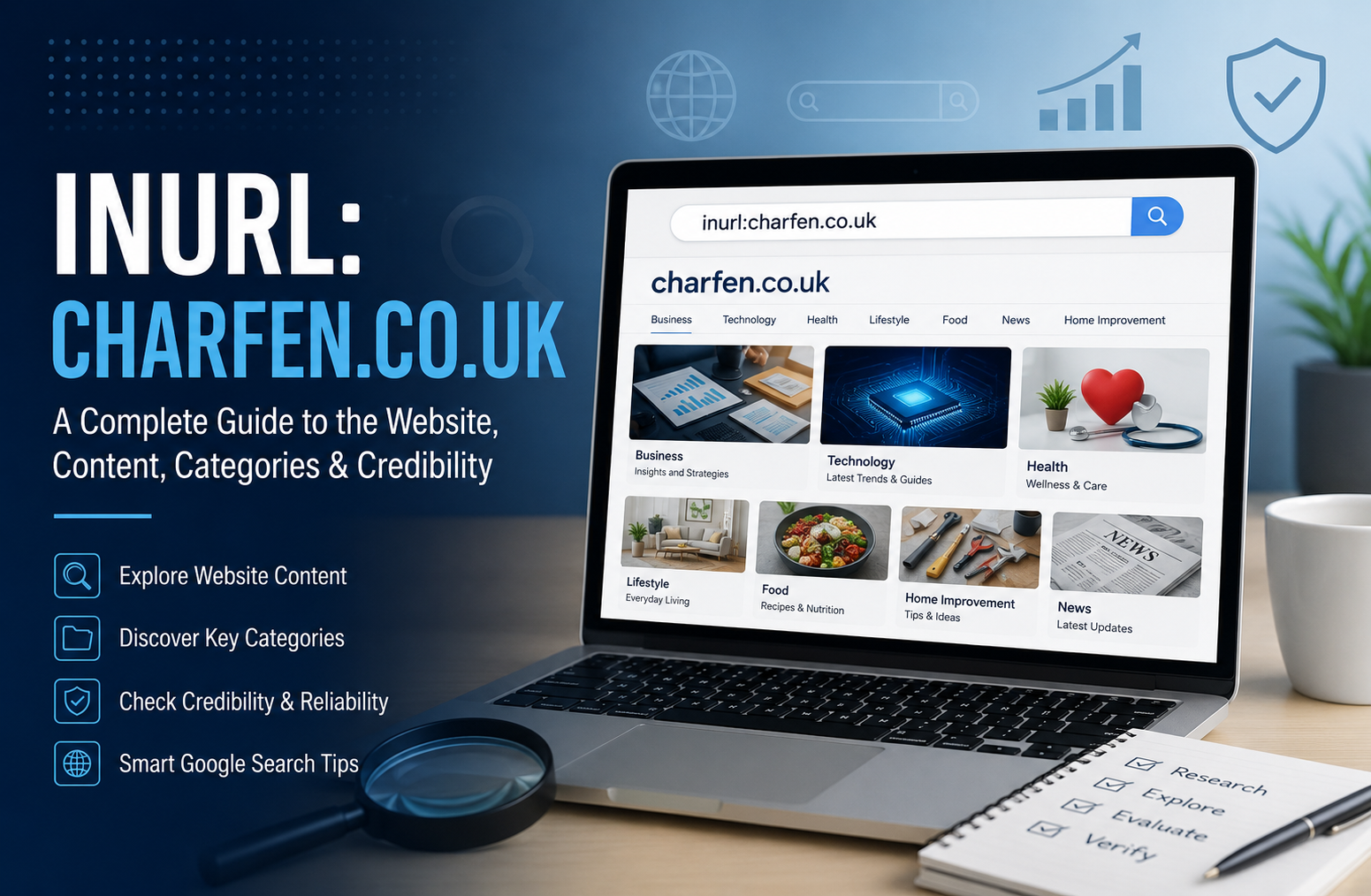
The current website presents material across several categories. These include business, food, health, home improvement, lifestyle, news, and technology.
Each category serves a different audience.
Business content can help readers understand professional activities, workplace decisions, and commercial developments. Technology articles may introduce digital tools, emerging innovations, and practical technical concepts.
Lifestyle publications often focus on everyday decisions, personal interests, and household activities. Health-related material can help readers understand general wellness subjects, although important medical decisions should always involve reliable medical sources.
This variety makes category organization particularly important.
A well-organized website helps readers identify relevant articles without having to browse unrelated material. Clear categories also make it easier to understand the publication’s overall direction.
What Can Readers Find on Charfen.co.uk?
The range of subjects available on a publishing website often determines whether it can serve different types of readers.
Charfen.co.uk features several areas of general interest. Understanding these categories helps visitors decide where to begin and how to evaluate the information they discover.
1. Business and Entrepreneurship
Business information is one of the subjects associated with the website’s stated positioning.
Entrepreneurship involves identifying opportunities, organizing resources, understanding customers, and building sustainable operations. Readers interested in business topics often want practical explanations rather than complicated terminology.
Useful business articles can explore subjects such as:
- Starting and managing a business.
- Understanding customer requirements.
- Developing professional skills.
- Improving workplace communication.
- Exploring marketing strategies.
- Managing everyday business responsibilities.
- Understanding changing market conditions.
The value of this information depends on its accuracy and practical relevance.
For example, an article discussing business growth should explain which decisions may influence performance. Simply repeating statements about working harder or increasing productivity does not provide meaningful guidance.
Readers should look for explanations that identify the problem, discuss possible solutions, and acknowledge situations in which a particular approach may not work.
Business owners should also distinguish general educational material from financial, legal, and tax advice.
2. Technology and Digital Developments
Technology affects communication, education, business operations, entertainment, and everyday activities.
People researching technology often need clear explanations of products, systems, and digital processes. They may want to understand how something works, what benefits it offers, or what limitations they should consider.
Technology-related topics can include:
- Artificial intelligence.
- Digital security.
- Software applications.
- Online communication.
- Consumer technology.
- Data management.
- Emerging digital services.
A helpful technology article should explain technical ideas in understandable language.
For instance, an article about artificial intelligence should distinguish between established applications and experimental capabilities. It should also explain potential limitations instead of presenting every new development as a guaranteed improvement.
Security-related content requires particular care. Advice about passwords, privacy, account protection, and software updates should be consistent with established security practices.
Readers should avoid following technical instructions that request unnecessary personal information or encourage the installation of unknown software.
3. Health and General Wellness
Health information attracts readers because people regularly search for explanations about everyday wellness, nutrition, physical activity, and common health concerns.
A general publishing platform can introduce these subjects, but accuracy is essential.
Useful health content should:
- Separate established evidence from personal opinion.
- Avoid promising guaranteed medical outcomes.
- Explain when professional assessment is necessary.
- Use appropriate medical terminology.
- Identify the limitations of general information.
- Avoid unsupported claims about treatments.
For example, an article about maintaining a balanced diet should explain general nutritional principles without claiming that one eating pattern is suitable for everyone.
Similarly, material discussing symptoms should not encourage readers to diagnose themselves using an online article.
Health decisions can depend on age, medical history, medications, and other individual circumstances. A qualified healthcare professional is the appropriate source for personal medical guidance.
4. Lifestyle and Everyday Information
Lifestyle content addresses the practical subjects that influence everyday experiences.
Readers may look for information about household organization, personal interests, routines, shopping decisions, and improving daily activities.
Good lifestyle articles offer realistic advice that readers can apply without requiring expensive products or unnecessary changes.
For example, a guide about organizing a home should consider available space, household needs, and maintenance requirements.
An article about improving daily routines should recognize that different people have different schedules and responsibilities.
The strongest lifestyle content is specific. It explains what readers can do, why a particular method may help, and what limitations they should consider.
5. Food and Cooking
Food-related content can introduce recipes, ingredients, cooking methods, kitchen practices, and general food knowledge.
Readers benefit most when articles provide practical details rather than vague instructions.
A useful cooking guide should explain:
- Ingredient quantities.
- Preparation requirements.
- Cooking methods.
- Approximate preparation times.
- Food storage considerations.
- Common mistakes.
- Appropriate food-safety practices.
Food safety is especially important when discussing meat, seafood, dairy products, and prepared meals.
Readers should also be able to distinguish nutritional information from personal dietary recommendations. General cooking content does not replace advice from a qualified nutrition professional when individual health requirements are involved.
6. Home Improvement
Home improvement information can help readers understand maintenance, household equipment, repairs, and renovation decisions.
Useful articles should explain the difference between simple maintenance tasks and work that requires professional assistance.
For example, changing a basic household fixture may be manageable for someone with the appropriate skills. Electrical installations, structural modifications, and complex plumbing work can involve safety risks and local building requirements.
A responsible guide should explain those limitations.
Readers should consider their experience, available tools, building regulations, and potential hazards before attempting repairs.
7. News and General Topics
News and general-interest articles help readers explore developments and subjects outside their usual interests.
This category requires attention to dates and sources.
Information can become outdated quickly, particularly when it relates to regulations, technology, public services, or current events.
Readers should check publication dates and compare important claims with primary sources.
An article that was accurate when published may no longer reflect current circumstances. This is why updated information and transparent sourcing are important parts of responsible publishing.
Why People Search for Charfen.co.uk
People may arrive at a website through direct navigation, recommendations, social media, or search engines.
The reasons for investigating a particular domain can vary.
Some visitors want to understand what the publication offers. Others may have encountered an article and want to learn more about the platform behind it.
Common reasons include the following.
Finding Published Articles
A visitor may remember the domain but not the exact title of an article.
Searching for the domain can help narrow the search toward relevant pages.
The Google search operator site: is particularly useful for finding indexed pages associated with a website.
For example:
site:charfen.co.uk technology
This query asks Google to show relevant results from the specified domain that relate to technology.
It can also be adapted:
site:charfen.co.uk business
site:charfen.co.uk health
site:charfen.co.uk lifestyle
These searches can help visitors discover relevant published material.
Understanding the Website’s Main Topics
A domain name does not always explain what a publication covers.
Readers may therefore investigate its homepage, categories, and recent articles before deciding whether the platform matches their interests.
Looking at multiple published pages is more informative than judging the website through a single search result.
Evaluating Website Credibility
Another reason to investigate a domain is to understand whether its content deserves attention.
Readers may want to identify the authors, review the information provided, or understand how the publication handles different subjects.
This is particularly important for websites covering areas where inaccurate information could influence personal decisions.
Exploring Publishing Opportunities
Some visitors may be interested in writing for a website or exploring content collaboration.
Before submitting an article or entering an agreement, contributors should examine the current publishing requirements, editorial expectations, and commercial terms.
They should never assume that a website’s name or public appearance automatically establishes its business relationships.
How to Evaluate the Reliability of Charfen.co.uk
A website should be evaluated through observable information rather than assumptions.
The fact that a domain loads successfully does not establish that every article is accurate. Likewise, a website with a broad content strategy is not automatically unreliable.
A balanced assessment considers several factors.
Check the About Page
The About page should explain the website’s purpose and provide a reasonably clear description of its activities.
Compare that description with the material actually published.
For example, if a platform presents itself primarily as a business resource but publishes articles across numerous unrelated subjects, readers should understand that its actual editorial scope is broader.
This difference is not necessarily evidence of wrongdoing. It simply helps visitors form realistic expectations.
Examine Author Information
Author transparency is an important quality signal.
Look for information such as:
- Author names.
- Relevant professional experience.
- Subject knowledge.
- Author biographies.
- Editorial responsibilities.
- Links to professional publications, where appropriate.
A named author does not automatically guarantee accuracy, but it makes accountability easier to assess.
For specialist topics, the writer’s qualifications and experience should match the subject.
A technical professional writing about software security and a healthcare professional writing about medical treatment bring different forms of expertise.
Review the Quality of Published Articles
Do not judge a publication only by its homepage.
Open several articles from different categories and examine their quality.
Ask yourself:
- Does the article answer its main question?
- Are important claims supported by reliable information?
- Is the writing clear and understandable?
- Does the article explain practical limitations?
- Is the information current?
- Does the content provide something useful beyond generic statements?
This approach gives a better indication of editorial quality than relying on promotional descriptions.
Check Contact and Privacy Information
A professional website should make its relevant contact and privacy information accessible.
The Contact page can help visitors understand how to communicate with the publication.
The Privacy Policy should explain how personal information is collected, processed, and handled.
Before sharing personal details, readers should understand why the information is requested and whether the website explains its data practices.
If contact information is unclear or privacy explanations are incomplete, visitors should be cautious about submitting sensitive information.
Look for Consistency Across the Website
Consistency is another useful indicator.
Check whether the website maintains a recognizable editorial identity across its pages.
For example:
- Are category descriptions relevant?
- Do articles follow understandable editorial standards?
- Are publication dates visible?
- Are authors identified where appropriate?
- Are commercial relationships disclosed?
- Does the content match the website’s stated purpose?
A publication does not need to follow one rigid format, but readers should be able to understand what it offers.
Is Charfen.co.uk Connected to Alex Charfen?
The similarity between the names Charfen.co.uk and Charfen.com may lead visitors to wonder whether the two websites are connected.
This question deserves a careful answer because similar domain names do not establish common ownership, management, or authorization.
Alex Charfen is associated with a separate business-focused online presence at Charfen.com.
Charfen.co.uk, meanwhile, displays a broader collection of general-interest publishing material.
The publicly visible information reviewed for this article does not establish an official relationship between the two domains.
Therefore, readers should not automatically assume that Charfen.co.uk is an official UK branch, authorized representative, or extension of Alex Charfen’s business.
This distinction is important for anyone researching business coaching, entrepreneurship frameworks, professional programs, or related services.
If someone is looking for a particular entrepreneur’s official material, the safest approach is to navigate directly to the established official website and verify the identity of the organization providing the service.
A matching name is not sufficient evidence of affiliation.
Why Domain Similarity Can Create Confusion
Domain names are often similar across the internet.
A person or organization may register a domain containing a familiar word, surname, or brand-related term without having a formal relationship with another website using similar wording.
Several details should therefore be considered:
- The exact domain extension.
- The website’s official ownership statements.
- Verified business contact information.
- Links from established official channels.
- Relevant trademark or authorization information.
- Consistency between the organization and its published services.
These checks are particularly important before purchasing a service, sharing payment information, or entering a business agreement.
Benefits of Exploring a Multi-Topic Website
A general-interest publishing platform can offer several practical benefits when its content is well organized and responsibly written.
Access to Different Subjects
Readers can explore multiple areas of interest without limiting their research to one category.
This is useful for discovering introductory information and identifying subjects that deserve further investigation.
Convenient Information Discovery
Category pages and internal search features can make relevant articles easier to find.
A visitor interested in technology can focus on technology-related material instead of browsing every article on the website.
Exposure to New Ideas
Multi-topic publications can introduce readers to subjects they may not normally explore.
Someone researching business may discover an article about digital security, while a lifestyle reader may encounter useful information about home maintenance.
Flexible Reading Experience
Different content formats serve different needs.
A short explanation may be enough for a simple question, while a detailed guide may help readers understand a more complicated subject.
A publication that offers different levels of detail can serve a wider audience.
Opportunities for Further Research
General-interest articles can provide a starting point for learning.
Readers can use introductory explanations to identify important questions and then consult specialist publications, official organizations, or qualified professionals for deeper information.
This is one of the most valuable ways to use a broad publishing website.
Challenges Readers Should Understand
A multi-topic publication also presents certain challenges.
Understanding these limitations helps visitors use its content appropriately.
Different Subjects Require Different Expertise
One of the biggest challenges is maintaining suitable expertise across unrelated categories.
Business management, medical information, cybersecurity, and home improvement each involve different knowledge requirements.
A publication should not treat all subjects as if they require the same level of research.
Readers should pay particular attention to specialist articles and verify important information independently.
Information Can Become Outdated
Some subjects change more quickly than others.
Technology products, legal requirements, health recommendations, and financial information may become outdated.
Publication dates and update information are therefore important.
Readers should avoid assuming that an older article reflects current conditions.
Broad Coverage Can Reduce Editorial Focus
Publishing across numerous subjects creates opportunities for wider reach, but it can also make it harder to establish a clear specialist identity.
A website that covers many topics needs strong editorial organization.
Without suitable quality controls, articles may differ significantly in depth, accuracy, and usefulness.
Author Credentials May Not Always Be Clear
Some online publications provide limited information about contributors.
This makes it harder for readers to understand the experience behind specialist claims.
Where author credentials are unclear, readers should place greater emphasis on supporting evidence and independent verification.
Promotional Content Requires Careful Evaluation
Online publications may include sponsored articles, advertising, affiliate links, or commercial collaborations.
These arrangements are not automatically problematic.
However, readers should be able to distinguish independent information from promotional material.
Commercial relationships should be disclosed clearly so visitors can understand the context of a recommendation.
How to Use Google Search to Explore the Domain
Google search operators can make website research more efficient.
The important point is to use each operator for the purpose it actually supports.
Google explains how its search operators can help users refine searches and investigate websites in its official documentation.
Using the Site Operator
The site: operator is useful for narrowing results to a particular domain.
For example:
site:charfen.co.uk
This can return pages Google has indexed from the domain.
Adding a subject can make the results more relevant:
site:charfen.co.uk business
site:charfen.co.uk artificial intelligence
site:charfen.co.uk food
The results should not be treated as a complete list of every page published on the website.
Google’s search results are influenced by indexing and retrieval limitations.
Understanding the Inurl Operator
The inurl: operator is designed to find results containing specified text in their URLs.
For example:
inurl:technology
This searches for results with the specified term in the URL.
The domain-based query inurl:charfen.co.uk should be understood as an attempt to locate URLs containing that text, not as a guaranteed method for listing every page belonging to the domain.
This distinction matters because the operator and the domain filter perform different jobs.
For a more focused investigation, users can compare URL-based searches with domain-specific searches and then open the results to verify the actual pages.
Searching for Specific Categories
Visitors can also combine search terms to discover particular topics.
Examples include:
- site:charfen.co.uk technology guides
- site:charfen.co.uk business articles
- site:charfen.co.uk lifestyle
- site:charfen.co.uk home improvement
These searches can help identify potentially relevant pages without requiring visitors to browse the entire website manually.
Why Search Results May Differ
Search results are not permanent.
A page may appear, disappear, or change its position as Google’s systems discover and process information.
Some pages may not be indexed, while others may be indexed but not displayed for every query.
This means that an unsuccessful search does not necessarily prove that a page does not exist.
For website owners who need more reliable indexing information, Google Search Console provides tools for inspecting individual URLs and monitoring search performance.
Is Charfen.co.uk Worth Visiting?
Whether a website is worth visiting depends on the information a person wants to find.
Someone looking for general-interest articles may find a multi-category publication useful as a starting point.
A visitor researching a specialist subject, however, should consider whether the particular article provides sufficient evidence, relevant expertise, and current information.
A practical evaluation can be divided into three areas.
For General Readers
General readers should begin with the article that matches their interests.
They can then assess whether the information is clear, relevant, and supported by appropriate explanations.
There is no need to assume that every article has equal value simply because it appears on the same website.
For Business Professionals
Business professionals should examine whether business-related articles offer practical information that applies to their circumstances.
Useful material should explain business concepts, identify relevant challenges, and avoid presenting unsupported success claims.
Major decisions involving contracts, finance, taxation, or legal obligations require suitable professional advice.
For Researchers and Students
Researchers and students should treat general-interest articles as introductory reading rather than automatically considering them authoritative references.
They should verify important statements through primary sources, academic research, government publications, or recognized specialist organizations.
This approach improves research quality and reduces the risk of repeating unsupported information.
Practical Steps for Evaluating Any Online Publication
The following process can help visitors assess a website systematically.
Step 1: Identify the Website’s Actual Purpose
Start with the homepage and About page.
Determine whether the website operates as a business, news publication, specialist resource, online magazine, or general-interest blog.
Do not rely entirely on the domain name.
Step 2: Review Several Articles
Open articles from at least two or three categories.
Compare their writing quality, structure, supporting information, and usefulness.
This helps identify whether editorial standards appear consistent.
Step 3: Check Publication Dates
Look at when articles were published and whether older information has been updated.
This is especially important for subjects that change frequently.
Step 4: Examine Author Credentials
Identify who wrote the material.
For specialist subjects, look for relevant qualifications or professional experience.
If the author’s background cannot be verified, avoid treating the article as professional advice.
Step 5: Verify Important Claims
Compare important statements with reliable independent sources.
For medical information, use established medical authorities. For legal and regulatory matters, consult official government resources.
For technical topics, use recognized documentation from the relevant product or organization.
Step 6: Understand Commercial Relationships
Check whether an article contains advertising, sponsorship, affiliate recommendations, or other commercial elements.
A clear disclosure helps readers understand the purpose of the material.
Step 7: Protect Personal Information
Avoid sharing unnecessary sensitive information.
Check privacy information before submitting forms, registering accounts, or entering payment details.
Step 8: Make a Decision Based on Evidence
After completing these checks, decide whether the website is suitable for your intended purpose.
This is more reliable than judging a publication through its domain name, appearance, or search ranking alone.
What Makes an Online Article Helpful and Trustworthy?
The value of a publishing platform ultimately depends on the quality of the information it provides.
An article can attract visitors through search engines, but that does not automatically mean it satisfies their needs.
Helpful information should answer questions directly, explain important details, and make its limitations clear.
Clear and Accurate Explanations
Readers should not need to interpret vague statements to understand an article’s main message.
Writers should define unfamiliar terms, provide relevant examples, and explain complicated ideas in accessible language.
Evidence-Based Information
Important factual claims should be supported by appropriate evidence.
This does not mean every sentence needs a citation. It means that claims involving health, finance, safety, law, and technical matters should have a reliable foundation.
Practical Relevance
Information should connect with the questions readers are actually asking.
For example, an article about website reliability should explain how to examine author details, privacy policies, and supporting evidence.
Simply describing a website as useful or trustworthy without explaining why offers little value.
Transparency About Limitations
No article can answer every question.
A trustworthy publication should acknowledge uncertainty and avoid presenting unverified information as established fact.
This is particularly important when discussing ownership, professional qualifications, security assessments, and commercial relationships.
Regular Content Maintenance
Content maintenance helps keep information relevant.
Writers and editors should review articles when important facts change, remove outdated claims, and correct errors when they are discovered.
A publication’s credibility is strengthened when it treats accuracy as an ongoing responsibility rather than a one-time publishing task.
The Importance of Responsible Content Publishing
A website covering several subjects has a responsibility to maintain appropriate standards across its content.
Publishing frequently is not a substitute for research.
Similarly, using popular search terms does not make an article genuinely useful.
Responsible publishing should focus on the reader’s actual question.
For example, someone researching a digital service may need information about its purpose, limitations, privacy practices, and practical uses.
Someone reading about health may need clear distinctions between general education and professional medical advice.
These readers have different needs, and an effective publishing process must recognize those differences.
A responsible editorial approach includes:
- Selecting topics that have genuine reader value.
- Researching claims before publication.
- Using suitable sources for specialist subjects.
- Providing clear authorship information.
- Updating information when necessary.
- Separating advertising from editorial material.
- Avoiding misleading titles and descriptions.
- Correcting factual mistakes.
- Respecting reader privacy.
These practices contribute to a better online information environment.
Final Perspective on the Domain
Understanding a website requires a balanced assessment of its identity, content, transparency, and usefulness.
Charfen.co.uk provides a broad publishing experience rather than limiting its visible content to one subject. Its categories introduce readers to business, technology, health, food, lifestyle, home improvement, and other general-interest topics.
That variety may appeal to people who enjoy exploring different subjects. At the same time, visitors should recognize that a general-interest article and a specialist professional resource serve different purposes.
The most useful approach is to evaluate each article individually. Check its publication date, author information, supporting evidence, and relevance to your question.
Readers should also avoid assuming that Charfen.co.uk is affiliated with another similarly named website unless an official relationship can be independently established.
Ultimately, the value of an online publication is determined by the quality of its information, not simply by its domain name or search visibility. Careful reading, independent verification, and sensible expectations help visitors make better decisions when using any multi-topic website.
Frequently Asked Questions
1. What is inurl:charfen.co.uk?
It is a Google search query using the inurl: operator to find search results containing specified text in their URLs. It is not the name of a separate product or service.
2. What is Charfen.co.uk?
Charfen.co.uk is a multi-topic online publishing platform featuring articles about business, technology, health, food, lifestyle, home improvement, and other subjects.
3. Is Charfen.co.uk connected to Alex Charfen?
A formal connection between Charfen.co.uk and Alex Charfen has not been established by the publicly available website information reviewed for this article.
4. What type of content does Charfen.co.uk publish?
The website publishes general-interest content across several categories, including business, technology, health, food, lifestyle, news, and home improvement.
5. How can I find articles published on Charfen.co.uk?
You can use Google’s site:charfen.co.uk search operator and add relevant terms, such as technology, business, or lifestyle, to narrow your results.
6. Should readers trust all information published on Charfen.co.uk?
Readers should evaluate individual articles by checking their sources, authors, publication dates, and factual accuracy. Important medical, financial, legal, and technical claims should be independently verified.
Conclusion
Charfen.co.uk is a multi-topic publishing website that offers readers access to information across several areas of interest. Its content covers business, technology, health, lifestyle, food, home improvement, and other general subjects. Understanding its broad publishing approach helps visitors set realistic expectations before exploring its articles.
The distinction between a website’s domain, its actual publishing activities, and Google’s search operators is also important. Search queries can help locate indexed pages, but they do not independently establish website ownership, authority, or credibility.
Readers should focus on article quality, author transparency, reliable sources, publication dates, and clear privacy information when evaluating online content. They should also verify any assumed connection between similarly named websites rather than relying on domain similarity.
Using these simple evaluation practices makes it easier to find relevant information, recognize the limitations of general-interest publications, and make informed decisions when browsing online resources.