Volunteering in South America: A Guide to Peru, Ecuador, Argentina and Beyond
South America is a continent of contrasts: Andean villages, Amazon rainforest, Pacific beaches and busy modern cities. For volunteers, it offers a wide range of projects, a chance to learn or improve Spanish and cultures that are famously warm and welcoming. Whether you want to teach, support community health or protect unique wildlife, there is a destination that fits.
This guide covers the most popular countries and what to consider before you go.
Peru: Andes, Culture and Community
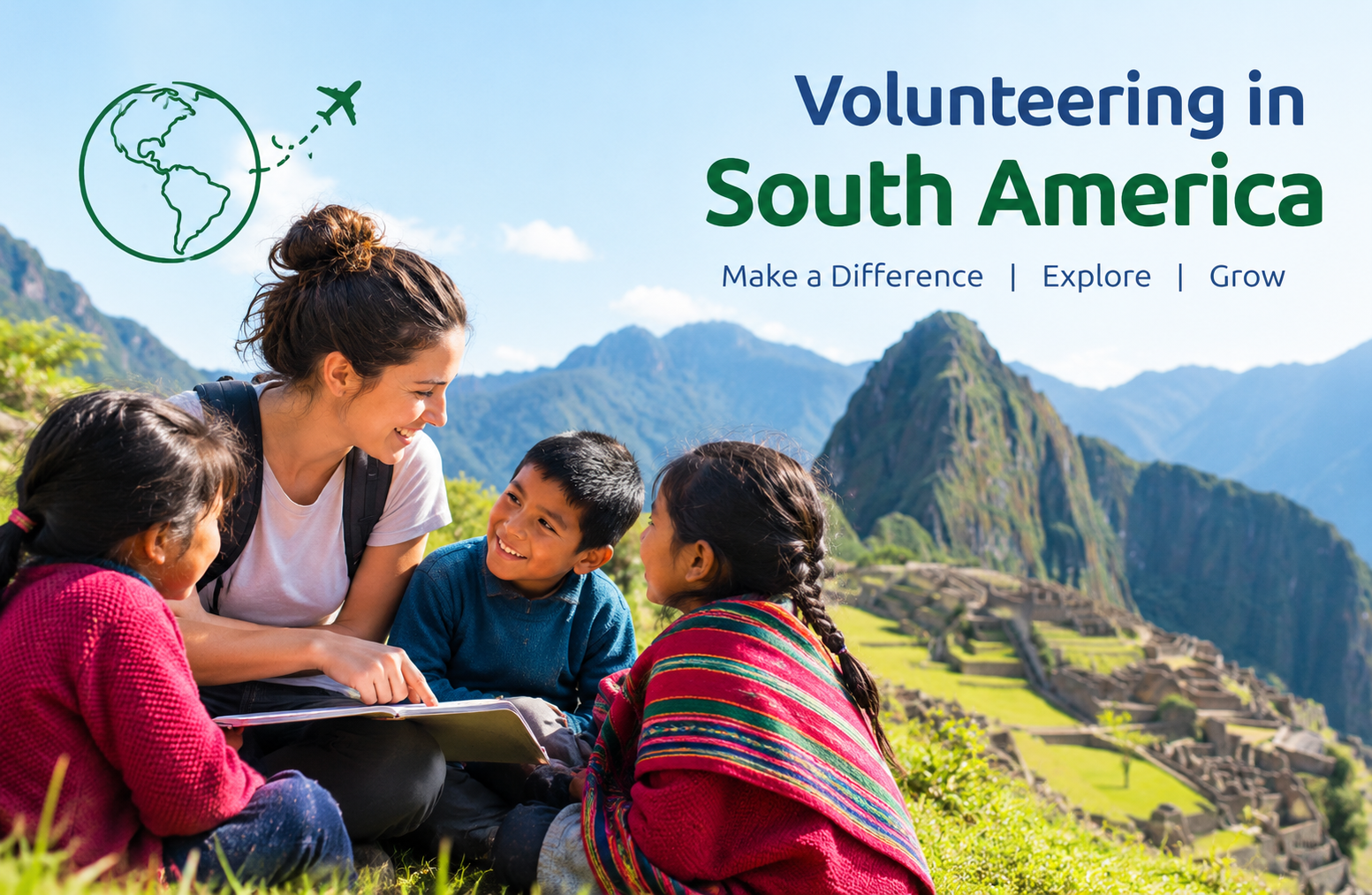
Peru is one of the region’s most popular volunteer destinations. Many projects are based in and around Cusco, giving volunteers easy access to Machu Picchu and the Sacred Valley. Common work includes teaching, supporting childcare centers and community development. Be ready for altitude: Cusco sits at around 3,400 meters, so plan a few easy days to adjust when you arrive. Before booking, compare volunteer programs in Peru with options in other South American countries.
Ecuador and the Galapagos: Biodiversity Everywhere
Ecuador packs mountains, rainforest and coast into a small country, which makes it ideal for volunteers who want variety. Projects include teaching, community work and conservation. The Galapagos Islands offer a rare chance to support environmental projects in one of the world’s most famous ecosystems, although costs there are usually higher.
Argentina: Big Cities and Open Spaces
Argentina suits volunteers who want a more urban experience. Buenos Aires has a European feel and a lively culture, and projects often focus on education, social programs and community support. Argentina is also a good base for exploring Patagonia and the wine regions after your placement.
Colombia: Energy and Warmth
Colombia has transformed its global image over the past two decades and is now a popular travel destination. Volunteers can support education, community programs and social projects. Colombians are known for their hospitality, and the music, food and festivals make the experience memorable.
Brazil and Chile
Brazil, the only Portuguese-speaking country in South America, offers projects in education, community development and environmental work, set against beaches, rainforest and vibrant cities. Chile is known for its stability, long coastline and the Atacama Desert, with volunteer opportunities in education and community programs.
Learning Spanish While You Volunteer
One of the biggest benefits of volunteering in South America is language learning. Even basic Spanish makes a huge difference to your experience and your usefulness on the project. Many volunteers combine their placement with Spanish lessons, especially at the start of the trip. You will return home with a practical skill that helps with travel, study and work.
Staying Safe
Most volunteers have safe, positive experiences, but it pays to be sensible. Follow your program’s guidance, avoid walking alone at night in unfamiliar areas, keep valuables out of sight and use registered taxis or ride-hailing apps. A good program will brief you on local risks during orientation and provide 24-hour support from local coordinators.
Best Time to Go
Seasons in South America are the reverse of those in the northern hemisphere, and weather varies a lot by region and altitude. The Andes have a dry season roughly from May to September, which is ideal for trekking, while the Amazon is humid all year. Argentina and Chile are best in their spring and summer, from October to March. Projects run all year, but your travel plans may influence when you go.
Choosing the Right Program
When you look for a program to volunteer in South America, compare what is included, such as accommodation, meals, airport pickup, orientation and local support. Check how long the organization has worked with each project and whether placements match your skills and Spanish level. Read independent reviews and ask to speak with past volunteers if you can.
Practical Tips Before You Go
- Check visa rules for your nationality; many countries allow short stays on arrival.
- Visit a travel clinic for vaccines, especially if you will visit the Amazon.
- Pack layers, since temperatures change quickly at altitude.
- Bring a basic Spanish phrasebook or language app.
- Buy travel insurance that covers your volunteer activities.
Respecting Indigenous Communities
Many South American projects work with Indigenous communities in the Andes and the Amazon. Learn about their history, ask before taking photos and follow local guidance on customs and sacred sites. Some communities speak Quechua, Aymara or other languages alongside Spanish, and a few words of greeting are always appreciated.
How Long to Stay
Two weeks gives a taste of the region, but four weeks or more lets you improve your Spanish, build real relationships and contribute more. Teaching and childcare projects especially benefit from volunteers who stay longer, since children thrive on consistency.
Final Thoughts
South America rewards volunteers with unforgettable landscapes, rich cultures and a real chance to learn a new language. Choose a destination that matches your interests, prepare well and pick a program with strong local partnerships. You will come home with new skills, new friends and a deeper understanding of a fascinating continent.