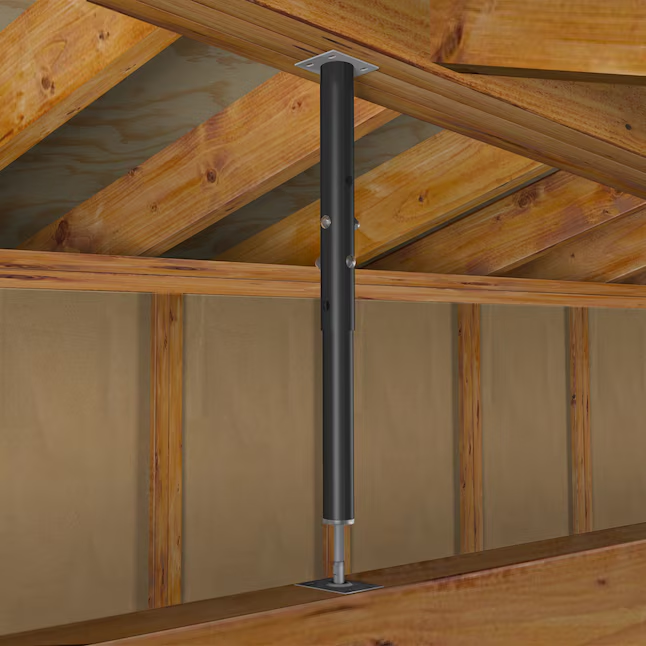
Steel Jack Posts Explained: Uses, Benefits, and Buying Considerations
Structural support plays an important role in keeping buildings stable during construction, renovation, and repair work. Beams, floor joists, and load-bearing walls carry considerable weight. When workers modify or repair these components, they need a reliable way to support the structure. This is where steel jack posts become useful.
These adjustable supports provide temporary stability while contractors work on foundations, floors, and structural beams. They can also help manage sagging floors when used as part of an approved repair plan. Their adjustable design makes them suitable for different working heights. However, choosing the correct support requires more than checking its maximum load rating.
Temporary support posts are particularly useful when replacing damaged beams, reinforcing floor joists, or modifying load-bearing sections. They hold structural components in position while permanent repairs take place. Understanding their design, applications, and limitations helps prevent installation mistakes.
How Steel Support Posts Work
Steel support posts transfer vertical loads from an overhead structural component to a suitable supporting surface. They usually consist of a steel tube, adjustable section, threaded mechanism, and bearing plates. Some designs also include locking pins or other safety features.
The adjustment mechanism allows workers to change the post height. They can extend the upper section until it reaches the underside of a beam or joist. After positioning the post, they secure its locking mechanism according to the manufacturer’s instructions.
The bearing plates at both ends help distribute pressure across the contact surfaces. A properly positioned post maintains direct contact with the supported structure. However, the supporting floor or foundation must also withstand the transferred load.
Understanding the Adjustment Mechanism
Different models use different adjustment systems. Threaded screw mechanisms allow gradual height changes through a rotating handle or collar. Telescoping models use overlapping steel sections with locking holes.
Some designs combine both systems. A locking pin provides the initial height setting, while a threaded section allows smaller adjustments. This arrangement can make positioning easier when working in restricted spaces.
The adjustment system should move smoothly without excessive looseness. Damaged threads, bent sections, or missing locking components can affect stability. Always inspect these parts before putting a post under load.
Common Applications in Construction and Home Repairs
Steel supports are useful in projects where an existing structural component needs additional support. Their adjustable design helps contractors work with different beam heights and floor layouts. However, the required support arrangement depends on the building’s structural design.
Common applications include:
- Supporting floor beams during replacement or repair.
- Holding joists while damaged sections are removed.
- Supporting structures during load-bearing wall modifications.
- Stabilizing selected areas during foundation repairs.
- Providing temporary support beneath existing beams.
- Assisting with controlled structural adjustments.
For example, a contractor replacing a damaged basement beam may need to support the floor above before removing the original component. Properly designed temporary support posts can hold the affected structure while the replacement beam is installed.
They can also assist with projects involving uneven floors. However, a sagging floor may indicate foundation movement, damaged joists, or other structural problems. Simply adding a post does not identify or correct the underlying cause.
Lally Columns vs. Steel Support Posts: Main Differences
Lally columns and adjustable steel support posts perform similar structural functions, but their designs and intended applications can differ. Understanding these differences helps prevent confusion when selecting support equipment.
Traditional lally columns are generally fixed-length steel tubes. Many are filled with concrete to increase their compressive strength and stiffness. They are commonly installed beneath beams in basements and other structural areas.
Adjustable steel posts usually feature telescoping sections or threaded mechanisms. Workers can change their height to fit the required space. Many are designed for temporary support during renovation and construction.
| Feature | Lally Columns | Adjustable Steel Posts |
| Design | Usually fixed-length steel tubes | Adjustable steel sections |
| Construction | Often concrete-filled | Usually hollow steel sections |
| Height | Fixed after installation | Adjustable within a rated range |
| Main use | Often permanent structural support | Commonly temporary shoring |
| Adjustment | Requires physical modification | Uses screws or locking mechanisms |
The most important difference is their intended service. A concrete-filled column designed for permanent installation is not the same as an adjustable construction post. Some adjustable columns may receive approval for permanent use, but this depends on their specifications and local building requirements.
Neither type should be selected based on appearance alone. Engineers must consider the load, column length, connections, foundation, and applicable building codes.
Main Types of Shoring Posts and Construction Jacks
Shoring equipment comes in several designs. Each type serves a different purpose, depending on the structure, working height, and load requirements. Knowing the differences makes it easier to select suitable equipment.
Adjustable Screw Jack Posts
These posts use a threaded adjustment mechanism to extend or reduce their height. Workers rotate the handle or threaded collar to achieve the required position. They are commonly used beneath beams and floor joists during renovation work.
Their main advantage is controlled adjustment. However, the thread must remain in good condition, and the post must stay within its approved extension range.
Telescoping Steel Posts
Telescoping posts contain two or more overlapping steel sections. Their height can be adjusted through locking holes and pins. Some models also include a threaded adjustment section for finer positioning.
These supports are useful when contractors need to work at different heights. The locking components must be fully engaged before the post carries structural weight.
Hydraulic Shoring Systems
Hydraulic shoring uses fluid pressure to extend support components. These systems are common in excavation and trench work. They help stabilize trench walls and reduce the risk of soil movement.
They are different from ordinary floor support posts. Their design and installation must follow the requirements for the specific excavation and soil conditions.
Timber Shoring Supports
Timber shoring uses appropriately sized wooden members arranged to support structural components. Contractors may use timber posts, braces, and horizontal members to create a temporary support arrangement.
The strength depends on the timber grade, dimensions, connections, and support layout. Damaged, split, or unsuitable timber should not be used for structural shoring.
Hydraulic House Jacks
House jacks are lifting devices used to raise or reposition structural components under controlled conditions. They are not automatically suitable as permanent supports.
For example, a contractor may use a hydraulic jack during a lifting operation. A separate support system may then hold the structure while repair work continues. Lifting equipment and supporting equipment have different roles, so they should not be treated as interchangeable.
Important Benefits of Adjustable Steel Supports
Adjustable steel supports offer several practical advantages during construction and renovation. Their usefulness comes from their combination of strength, height flexibility, and relatively compact design.
Here are some important benefits to consider.
Flexible Height Adjustment
Different projects involve different floor-to-beam distances. An adjustable support can accommodate several heights within its approved range. This reduces the need for multiple fixed-length supports.
It also helps contractors position support equipment in basements, crawl spaces, and other restricted areas. However, the post should never be extended beyond its specified working range.
Strong Structural Support
Steel provides high compressive strength when the post has the correct dimensions and design. Properly manufactured support equipment can handle substantial vertical loads within its rated capacity.
The actual performance depends on several factors. These include steel thickness, column length, material quality, adjustment position, and connection design. A high load rating alone does not confirm that a post is suitable for every building.
Reusable Construction Equipment
Many adjustable posts can be removed after the structural work is complete. Workers can inspect and store them for future projects if they remain in good condition.
This makes them practical for contractors handling several renovation or repair jobs. Before reuse, check for damaged threads, corrosion, bent tubes, and missing locking components.
Compact Design
Steel posts generally occupy less space than larger temporary framing arrangements. This can help workers operate in confined areas such as basements and crawl spaces.
Their compact design also makes positioning easier. Still, enough clearance must remain for inspection, adjustment, and safe removal.
Safety Precautions When Installing Temporary Supports
Correct installation is essential because support failures can cause serious structural damage and injuries. Workers should never assume that placing a post beneath a beam automatically makes the area safe.
Before installation, assess the existing structure and identify the load that needs support. A structural engineer or qualified professional should determine the required support arrangement for significant structural work.
Follow these precautions when planning an installation:
- Inspect the supporting surface: Confirm that the floor, footing, or foundation can safely carry the transferred load. A weak concrete slab may not provide adequate support.
- Check the equipment: Examine steel tubes, plates, threads, welds, and locking pins. Do not use visibly damaged components.
- Position posts vertically: Keep each support aligned with the intended load path. Angled placement can introduce forces that the post was not designed to handle.
- Use suitable bearing surfaces: Both ends need proper contact with the supported structure and supporting foundation. Follow the approved installation details.
- Avoid sudden lifting: Structural adjustments should follow an engineered sequence. Rapid lifting can damage walls, floors, and connected building components.
- Secure adjustment mechanisms: Engage the required locking pins, nuts, or collars before loading the support.
- Keep workers clear: Nobody should stand beneath an unstable structure or work in an unsafe area during lifting and positioning.
- Monitor the support system: Check for movement, unusual sounds, settlement, and changes in the supported structure.
Why Proper Load Distribution Matters
One support post may not be enough to carry the load safely. The number and spacing of supports depend on the beam span, structural condition, and weight being transferred.
For example, supporting a long floor beam may require several posts arranged according to an engineered shoring plan. Placing them randomly can concentrate pressure in unsuitable locations.
The supporting foundation also matters. A strong steel post can still fail as part of an installation if the surface beneath it settles or breaks. Both ends of the support system must be considered.
What to Check Before Buying Steel Jack Posts
Selecting support equipment requires attention to its technical specifications. The right choice depends on the project rather than the highest advertised capacity.
Consider these factors before making a purchase.
Load Capacity
Load capacity should be one of the first specifications you examine. It indicates the maximum load a particular model is designed to carry under specified conditions.
However, capacity can change with the post’s extension length and installation arrangement. Some products have different ratings at minimum and maximum heights. Always check the manufacturer’s load chart rather than relying on a single maximum figure.
Also consider the total load transferred through the support system. A structural professional should determine the required capacity and number of posts.
Adjustable Height Range
Measure the distance between the supporting surface and the beam or joist. Compare this measurement with the product’s minimum and maximum adjustment range.
Avoid selecting a post that needs to operate at its extension limit. Adequate adjustment allowance makes positioning easier and helps prevent installation problems.
For example, a model designed for a short basement clearance may not work for a taller garage or construction area. Check the actual dimensions before choosing.
Steel Quality and Construction
The material and construction influence the post’s strength and durability. Check the steel grade, tube dimensions, wall thickness, and overall manufacturing quality.
Welded joints and bearing plates also deserve attention. Poor connections can create weak points under pressure. Look for consistent welds and properly finished contact surfaces.
Locking and Adjustment Features
A reliable locking arrangement helps keep the post at its selected height. Check whether the design uses locking pins, threaded collars, safety nuts, or a combination of these features.
The adjustment handle should operate without excessive resistance. Locking components should fit correctly and show no visible damage.
Base and Top Plate Design
The top and bottom plates create contact between the support and surrounding structure. Their dimensions and construction affect how pressure is transferred.
Consider the plate size, thickness, attachment method, and compatibility with the intended bearing surfaces. Larger plates do not automatically make an installation safe. The supporting beam and foundation must still be suitable.
Corrosion Protection
Steel can deteriorate when exposed to moisture. This is especially important in basements, crawl spaces, and areas with poor ventilation.
Check whether the post has a protective coating or galvanized finish. Inspect the surface for scratches, exposed metal, and existing corrosion.
A suitable protective finish can help reduce rust, but regular inspection remains necessary.
Common Mistakes to Avoid During Installation
Even well-designed equipment can become unsafe when workers overlook basic installation requirements. Understanding common mistakes helps contractors plan their work more carefully.
Choosing a Post Only by Its Maximum Rating
A product may advertise a high maximum load capacity. However, its actual capacity depends on extension length, loading conditions, and installation details.
A longer post may have a different capacity from the same model at a shorter height. Always check the applicable load chart and engineering requirements.
Installing Supports on Weak Floors
Placing a support on an ordinary floor slab without checking its capacity can create problems. The slab may crack or settle under concentrated pressure.
The correct bearing arrangement must account for the foundation and the load transferred through the post. Never assume that every concrete surface can support heavy structural loads.
Using Damaged or Modified Equipment
Bent tubes, worn threads, damaged plates, and missing pins can reduce stability. Welding, cutting, or modifying a support without manufacturer approval can also affect its rated performance.
Remove defective equipment from service. Replace damaged components rather than trying to make unsafe equipment work.
Treating Temporary Supports as Permanent Columns
Not every adjustable post is approved for permanent structural use. Some are manufactured specifically for temporary construction support.
Leaving one in place after renovation does not automatically make it a permanent structural solution. Confirm the product’s approval and local building requirements before considering permanent installation.
How to Maintain and Inspect Support Posts
Regular inspection helps identify problems before equipment is used on another project. Even strong steel components can deteriorate through repeated use, moisture exposure, and improper storage.
Start by cleaning the post and checking its complete surface. Look for rust, cracks, dents, bent sections, and damaged welds. Pay particular attention to the adjustment mechanism and locking components.
Check the threads for wear and make sure the adjustment mechanism moves correctly. Inspect the top and bottom plates for deformation. Any component showing signs of structural damage should be removed from service.
Store the equipment in a dry location when possible. Keep threaded sections clean and follow the manufacturer’s maintenance instructions. Avoid stacking heavy materials on adjustable mechanisms or leaving posts exposed to standing water.
Before every new project, confirm that the equipment matches the required specifications. A previous successful installation does not mean the same post is suitable for a different structural arrangement.
Choosing the Right Support for Your Project
The best support depends on the work being performed. A small floor repair may require different equipment from a major beam replacement or foundation project.
For short-term structural work, adjustable posts can provide flexible support when selected and installed correctly. Projects involving excavation may require dedicated hydraulic or timber shoring systems instead.
Before purchasing, compare the following requirements:
| Project requirement | What to consider |
| Basement beam repair | Load capacity and adjustment range |
| Floor joist reinforcement | Post positioning and bearing plates |
| Crawl space repairs | Compact dimensions and available clearance |
| Beam replacement | Engineered shoring arrangement |
| Foundation work | Ground conditions and structural assessment |
| Long-term support | Approved permanent column specifications |
Think about the entire support arrangement rather than the post alone. The beam, connections, bearing surfaces, and foundation all contribute to structural stability.
A properly selected product should match the project’s technical requirements. It should also have clear specifications and installation instructions. When structural loads are uncertain, professional assessment is more important than choosing equipment based on appearance or advertised strength.
Frequently Asked Questions
- What are steel jack posts used for?
Steel jack posts provide adjustable vertical support beneath beams, floor joists, and other structural components. They are commonly used during renovations, repairs, and temporary shoring work.
- Can temporary support posts be used permanently?
Not all models are suitable for permanent installation. Check the manufacturer’s specifications, local building codes, and structural requirements before using an adjustable post as permanent support.
- What is the difference between a lally column and a jack post?
A traditional lally column is usually a fixed steel tube, often filled with concrete. A jack post generally has an adjustable mechanism that changes its working height.
- How do I choose the correct load capacity?
Consider the structural load, post height, extension range, and installation conditions. A qualified structural professional should determine the required capacity and support arrangement.
- Are adjustable steel support posts reusable?
Many models are reusable after temporary work is complete. Inspect the steel sections, threads, plates, and locking components before using them again.
Final Thoughts
Steel support equipment plays an important role in construction, renovation, and structural repair projects. Its adjustable design helps contractors support beams and floor systems at different heights.
However, choosing the right equipment requires careful attention to load capacity, steel construction, adjustment range, and locking features. The supporting surface and overall load distribution are equally important.
Whether you’re planning a basement repair or a larger renovation, understand the structural requirements before selecting your equipment. Proper planning, suitable support arrangements, and regular inspections help keep construction work safe and controlled.